ADIPEC 2026 Reaches Final Day in Abu Dhabi With AI and Supply Security at Centre Stage
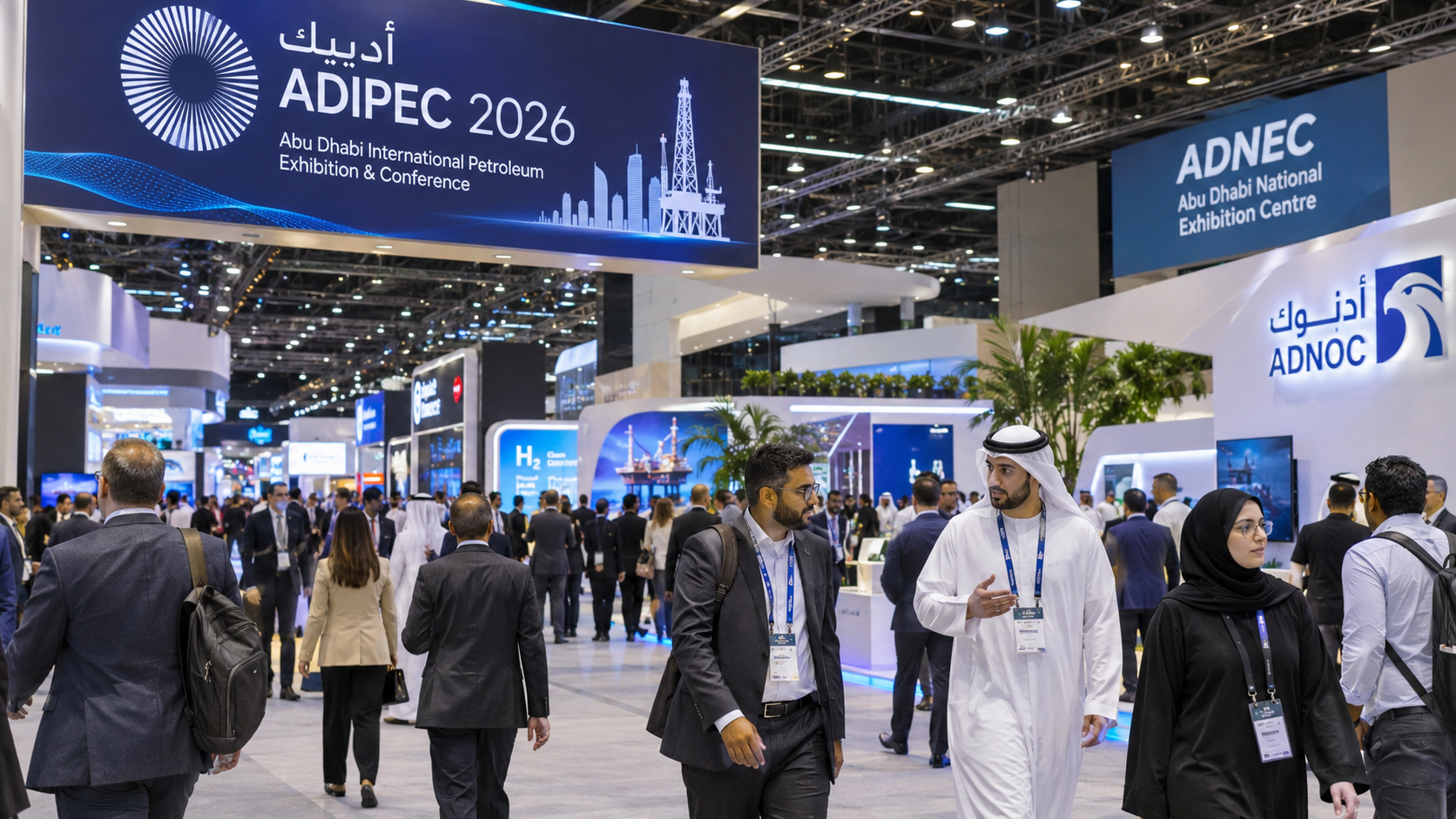
ADIPEC 2026 concludes today in Abu Dhabi after four days dominated by artificial intelligence and the question of how to deliver energy reliably. ADNOC announced AI partnerships with OpenAI and G42, and chief executive Dr Sultan Al Jaber warned that logistics now take over 30 per cent of a barrel's cost. Final deal and attendance figures have not yet been published.
The world's largest energy gathering wraps up today in the UAE capital, closing a four-day edition that organisers billed as their biggest yet and that put artificial intelligence and supply security at the centre of the agenda.
ADIPEC 2026, hosted by ADNOC at the Abu Dhabi National Exhibition Centre, ran from 2 to 5 November. Organisers had pointed to a record 2,260 exhibiting companies, 16 fully booked halls, 30 country pavilions, more than 40 ministers and around 1,800 speakers, with attendance expected at about 239,000 visitors from more than 170 countries. Final figures for this year's attendance and total deal value have not yet been released.
A warning about delivery
The tone was set on opening day. Delivering the keynote, Dr Sultan Al Jaber, the UAE's Minister of Industry and Advanced Technology and ADNOC's managing director and group CEO, argued that the industry must measure energy security by delivery, not by production alone.
He said nearly one billion barrels have drained from global crude inventories since the disruption in the Strait of Hormuz, that diesel stocks in some markets are at their lowest seasonal level in 35 years, and that some regions face a 600 billion cubic foot LNG supply gap. Logistics, he said, once made up less than 5 per cent of a barrel's cost and now exceed 30 per cent.
Al Jaber set out five priorities for the sector: accessible supply through larger storage and flexible refining near consumers, dependable routes to market, operational intelligence, confidence that attracts capital, and people. He called the last the most important. His message to partners was blunt: when it counts, you can count on the UAE.
AI moves from theme to deal-making
Artificial intelligence was the other defining thread. ADNOC signed a new AI agreement with OpenAI and announced a partnership with G42 as the conference opened. OpenAI chief executive Sam Altman was among the most closely watched speakers on the first day, framing energy as one of the world's central challenges.
On the exhibition floor, an entire hall was given over to an AI Zone, where humanoid robots roamed among displays showing how machine intelligence is being applied to oilfields, grids and industrial plants. Schneider Electric's Georges El Mir cited research indicating that 76 per cent of Middle East energy leaders increased investment in autonomous technology over the past year, but stressed that the confidence needs to turn into measurable value, backed by cybersecurity, local skills and trained people.
Deals beyond the headlines
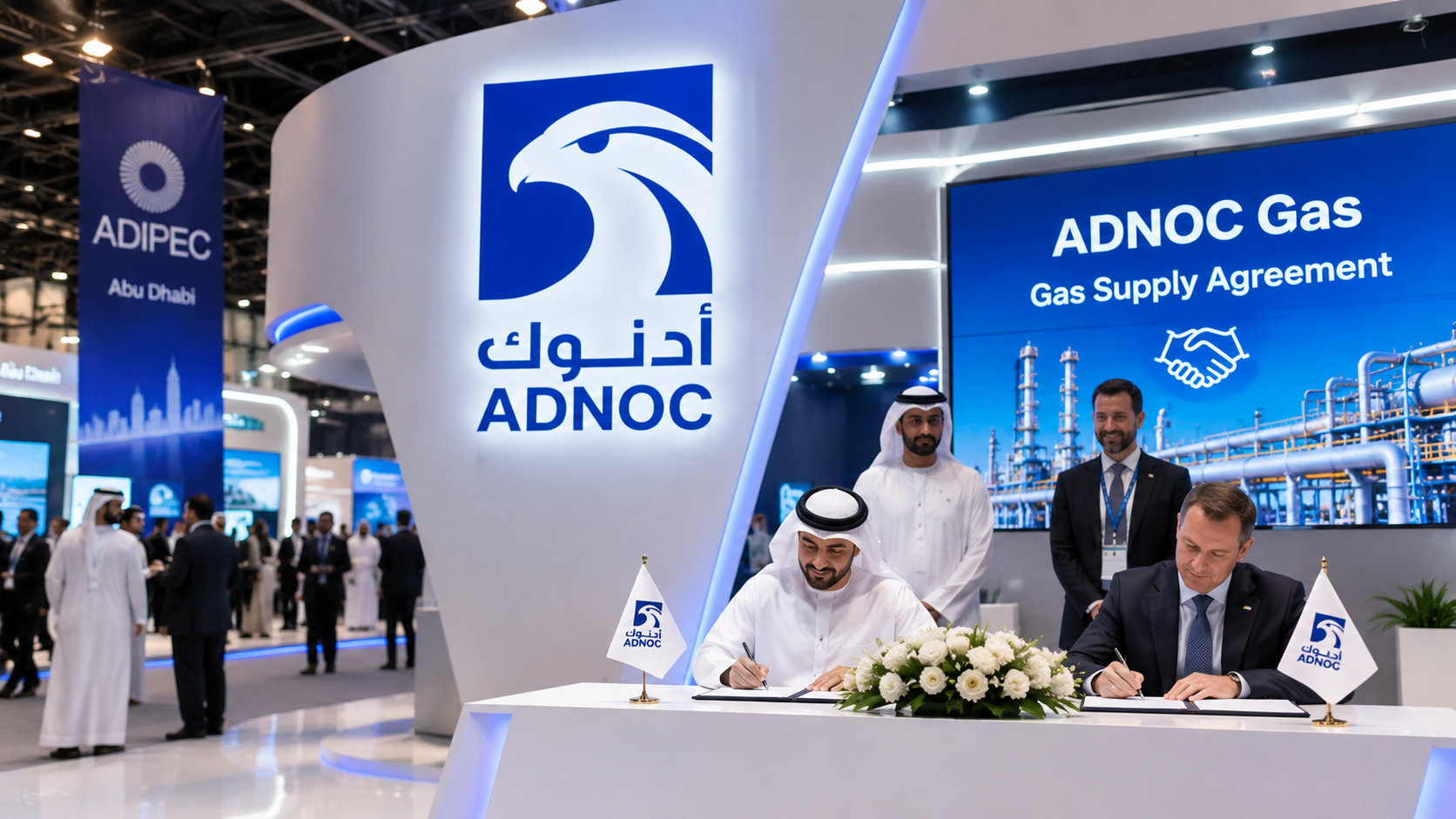
Commercial activity ran alongside the keynotes. Indonesia's upstream regulator, SKK Migas, announced several cooperation agreements in oil and gas on the sidelines of the event, and India's Hindustan Petroleum Corporation said it had come to build partnerships. On Wednesday, ADNOC Gas also signed an agreement with EtihadWE to explore gas supply for new power plants in the Northern Emirates.
For context, last year's edition closed with $46 billion in deals across 35,000 agreements and 239,709 attendees, a 17 per cent rise from the year before. Whether 2026 surpasses those marks will become clear once organisers publish their closing statistics.
Why this edition matters
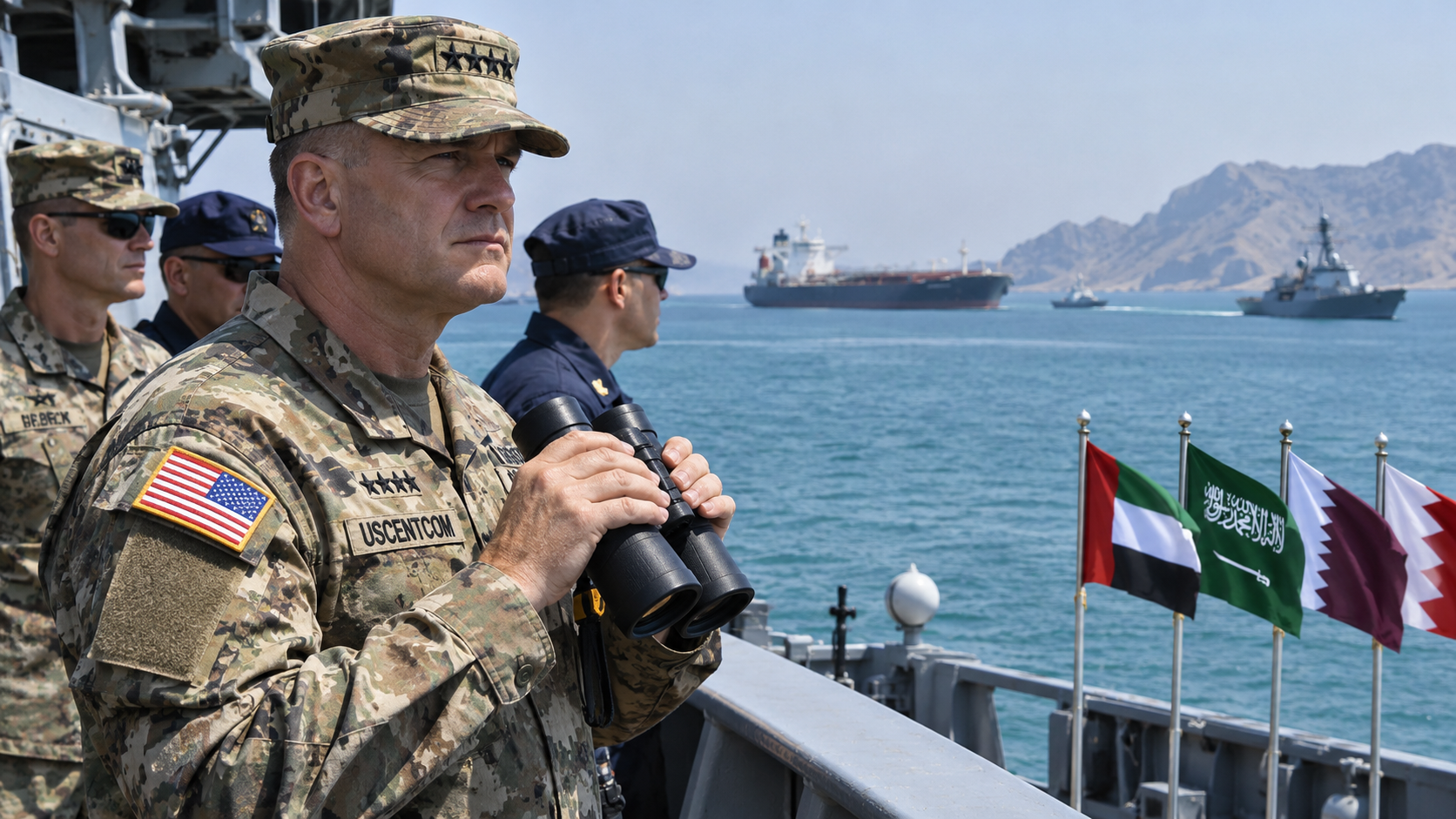
This year's conference took place against an unusually tense backdrop. Oil prices have swung sharply in recent days, shipping through Hormuz remains restricted, and governments are rethinking stockpiles and supply routes. That gave the discussions an urgency that earlier editions, focused largely on transition and investment, did not always carry.
The UAE used the platform to present itself as a stable supplier. Al Jaber said talent, capital and investment stayed in the country through the disruption and that the UAE will keep advocating dialogue and political solutions that steady markets and energy flows.
What happens next
Attention now shifts to the follow-through. Observers will look for the closing deal tally, details of how AI agreements will be deployed inside ADNOC's operations, and whether the supply-security measures discussed on stage, from storage to logistics infrastructure, translate into concrete investment decisions. ADIPEC returns to Abu Dhabi next year, but the questions raised this week will not wait that long.
Leave a comment
Your email address will not be published. Required fields are marked *