Dubai's Air Taxi Set to Revolutionise Travel in 2026 — 36 km in Just 10 Minutes
Dubai, UAE — Dubai is preparing to launch an innovative air taxi service in 2026 that promises to transform how people travel within the city, offering a futuristic mode of transport that will provide a quick, efficient and sustainable alternative to road travel. The service will dramatically reduce journey times between major destinations such as Dubai International Airport (DXB) and Palm Jumeirah, with the approximately 36-kilometre trip — which by car usually takes around 45 minutes through often congested roads — expected to take about 10 minutes by air taxi, showcasing how advanced urban mobility solutions are being integrated into the emirate's already impressive infrastructure.
A New Era of Urban Mobility
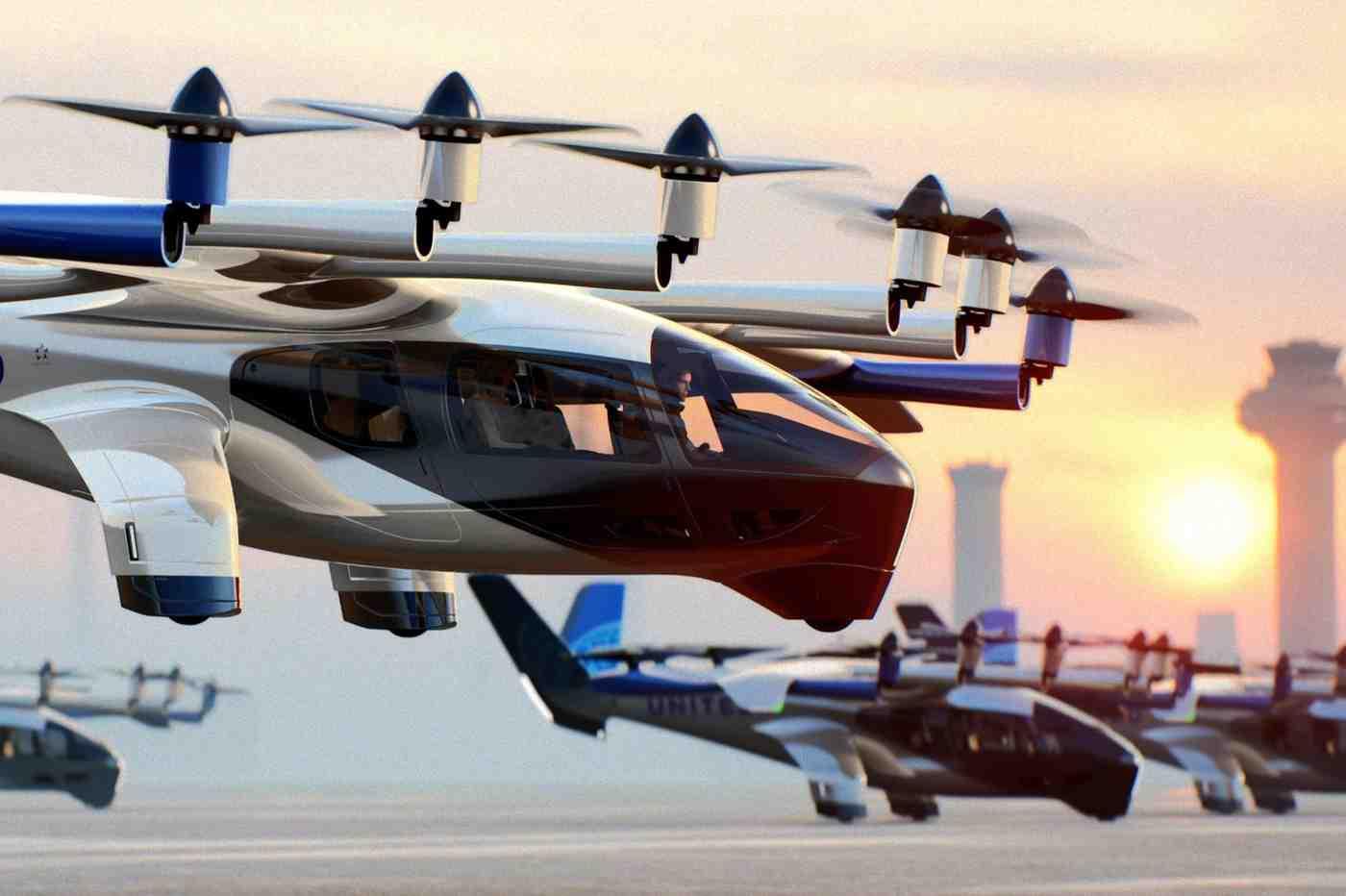
The aerial taxi project is being developed in partnership with Joby Aviation, a California-based electric aviation company known for its pioneering work in electric vertical take-off and landing (eVTOL) aircraft. These vehicles are designed to operate much like helicopters but with far lower noise and zero operational emissions, making them exceptionally well-suited for busy urban environments where quality of life and environmental concerns are paramount.
The service represents a cornerstone of Dubai's broader push to establish itself as a global leader in advanced air mobility, reflecting its long-term vision for future urban transport that looks beyond incremental improvements to fundamentally reimagine how people move through cities. Dubai's leadership has consistently embraced transformative technologies, and the air taxi initiative continues this tradition.
Dubai's Roads and Transport Authority (RTA) has been steadily progressing toward commercial operations, following successful test flights over the past year that have validated the technology and operational concepts. In late 2025, the first crewed eVTOL air taxi flight was completed between two UAE locations — illustrating that the technology is moving beyond prototype and into real-world readiness, with actual passengers experiencing the future of urban travel.
How It Works
The air taxi service will initially operate from four strategic stations, known as vertiports, which are being developed at key points throughout the city to maximise accessibility and connectivity:
- Dubai International Airport (DXB) — the main international gateway and one of the world's busiest airports, serving as a natural hub for arriving passengers seeking rapid connections to their final destinations.
- Palm Jumeirah — near the iconic Atlantis The Royal hotel, a major tourist destination that attracts millions of visitors annually and where premium transport options are in high demand.
- Dubai Marina — close to residential and commercial hubs where professionals and residents will value the time savings offered by aerial transport.
- Downtown Dubai — the heart of the city with iconic landmarks including the Burj Khalifa, Dubai Mall, and numerous business districts that generate substantial transport demand.
Each vertiport will feature dedicated take-off and landing zones, passenger lounges with amenities befitting a premium service, charging infrastructure to keep the electric fleet operating continuously, and vehicle parking — effectively functioning as future-ready transit hubs integrated with the city's broader transport network. The RTA estimates these facilities could handle tens of thousands of landings each year once fully operational, representing a significant addition to Dubai's transport capacity.
The Joby eVTOL aircraft selected for this service — often referred to in planning documents as the S4 model — has six rotors and four battery packs, with multiple redundancies built into every critical system to ensure safety. It is capable of flying at speeds of up to 321 km/h with a range of roughly 161 km, allowing quick and efficient point-to-point travel across the emirate and potentially to neighbouring emirates in future expansions.
Integration and Connectivity
A key part of Dubai's air taxi strategy is ensuring seamless integration with other modes of transport, creating a unified system rather than a standalone novelty. According to statements from Dubai RTA officials, the aerial taxi service will complement existing public transport options such as metro lines, buses, bicycles and electric scooters, creating a multimodal transport ecosystem that enhances mobility across the city and offers passengers choice based on their priorities.
Officials say this integration will support a smoother passenger experience, allowing travellers to switch easily from ground transport to air taxis and back, depending on their needs and the time sensitivity of their journeys. In doing so, Dubai aims to reduce congestion on its roads while offering a premium transport option for residents and visitors alike who value time above all else.
The vertiports are being designed with connections to existing transport infrastructure, ensuring that passengers arriving by air taxi can seamlessly transition to metro, taxi, or other services for their final destinations. This holistic approach distinguishes Dubai's initiative from more fragmented efforts elsewhere.
Sustainability and Future Growth
One of the most significant advantages of the air taxi service is its environmental profile, which aligns with Dubai's commitment to sustainable development. Unlike helicopters that burn fossil fuels and emit noise and pollution, the eVTOL aircraft are fully electric, producing zero emissions during operation and dramatically reducing noise compared to conventional rotorcraft.
This aligns with Dubai's broader goals for sustainability and clean energy adoption under various environmental initiatives. The aviation regulator and transport authorities have also been working with urban planners to define air corridors — designated lanes in the sky — that will safely integrate flying taxis and cargo drones into the existing airspace without interfering with traditional aviation operations.
Beyond 2026, there are plans to expand the network further as technology matures and demand grows. Industry insiders suggest the service could eventually connect other emirates like Abu Dhabi and Ras Al Khaimah, slashing travel times between cities from over an hour to just minutes and fundamentally reshaping how people think about distance in the UAE.
A Global First
Dubai's air taxi initiative is being watched closely around the world by transport planners, urbanists, and aviation companies. While several cities and companies are exploring eVTOL-based services, Dubai's approach — combining regulatory support, substantial infrastructure investment, and effective public–private partnership — could serve as a model for other major urban centres seeking to implement similar systems.
The emirate's willingness to move quickly from concept to implementation, backed by the resources of the RTA and the credibility of partners like Joby Aviation, positions Dubai to be among the first cities globally to offer commercial air taxi services at scale. This first-mover advantage could attract investment, talent, and attention that reinforces Dubai's reputation as a city of the future.
Officials have described it as part of the emirate's commitment to innovation and future-ready infrastructure, a continuation of the vision that has transformed Dubai over decades. If successful, what now seems futuristic could soon become a routine mode of transport — helping residents and visitors travel quickly, sustainably and comfortably across one of the world's most dynamic cities.
The Passenger Experience
For travellers, the air taxi experience promises to be seamless from booking to arrival. Mobile apps will allow reservations, payment, and integration with other transport modes. Boarding lounges at vertiports will offer comfort while waiting, and the flight itself will provide views of Dubai's iconic skyline that no ground transport can match.
The quiet electric motors will allow conversation at normal levels during flight, a stark contrast to the noise of conventional helicopters. Passengers will arrive at their destinations refreshed rather than stressed by traffic.
Also Read: Uptown Dubai Opens Major Events Plaza as Part of Ambitious District Expansion
Looking Ahead
As 2026 approaches, Dubai's air taxi service represents the convergence of multiple trends: urbanisation, electrification, automation, and the demand for time-efficient transport. If successful, it could demonstrate that advanced air mobility is not a distant dream but an achievable reality.
The world will be watching when the first commercial flights take off, carrying passengers above Dubai's traffic and into a new era of urban transport.
Dubai International to Palm Jumeirah: 36 km in 10 minutes. The future of urban travel arrives in 2026.