UAE Intercepts Over 1,000 Drones as Iran War Disrupts Flights in Dubai and Abu Dhabi
Dubai, UAE — The United Arab Emirates is facing growing security and travel disruptions as the conflict involving the United States, Israel, and Iran intensifies across the Middle East, bringing war to the doorstep of one of the world's busiest aviation hubs. Authorities said the country has intercepted more than 1,000 drones since the start of the conflict, while aviation operations in major hubs such as Dubai and Abu Dhabi continue to face major disruptions that have stranded thousands of travellers.
Massive Drone Interceptions
According to the UAE's Ministry of Defence, the country has successfully intercepted a large number of hostile aerial threats since hostilities escalated at the end of February. Officials stated that 1,071 drones were detected, with around 1,001 intercepted, demonstrating the effectiveness of the nation's air defence systems. Several others fell within UAE territory, causing some damage and injuries.
The interceptions were carried out as part of the country's air defence operations aimed at protecting civilians and critical infrastructure from an unprecedented aerial campaign.
Life Disrupted
The escalating tensions have also affected everyday life across the Gulf nation, with residents adapting to a new normal. Authorities have urged residents to remain alert and follow official safety guidance as missile and drone activity continues across the region.
The conflict has already triggered security alerts, emergency measures, and disruptions to travel, education, and commercial activities.
Flight Disruptions Across UAE Airports
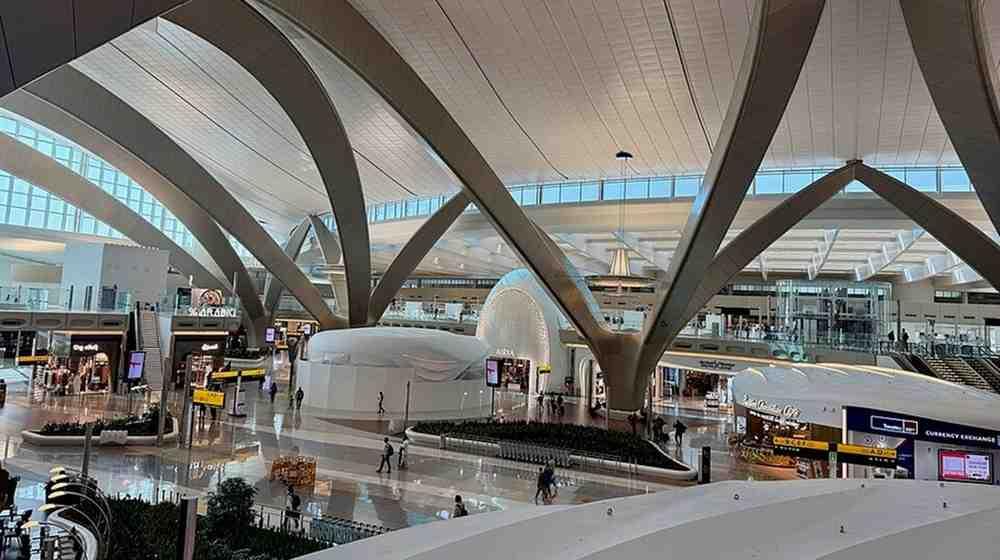
Air travel has been among the sectors most severely impacted by the crisis, causing chaos for passengers. Major airports including Dubai International Airport and Abu Dhabi's Zayed International Airport have seen significant disruptions as airlines cancel or adjust flights due to regional airspace restrictions.
Thousands of flights across the Middle East have been cancelled since the start of the conflict, affecting passengers travelling to and from the UAE. Aviation analytics data indicates that over 23,000 global flights have been cancelled due to safety concerns and the closure of airspace in several countries.
Gradual Resumption
Despite the disruption, some airlines have begun gradually restoring limited services, offering hope to stranded passengers. Emirates announced that it plans to operate more than 100 flights from Dubai on March 5 and 6 as airspace restrictions ease slightly.
However, the airline continues to run a reduced schedule and has warned passengers that full operations may take time to resume. Other UAE carriers, including Etihad Airways and flydubai, have also resumed selected flights to assist stranded passengers and facilitate essential travel.
Authorities have advised travelers to check with airlines before heading to airports because schedules remain highly unpredictable.
Emergency Measures for Residents and Travellers
The UAE government has introduced several measures to help residents and tourists affected by the ongoing crisis, showing flexibility in response. Authorities have waived visa overstay fines for visitors who were unable to leave the country because of cancelled flights and airspace closures.
The exemption applies to tourists, visitors holding short-term visas, and residents who had cancelled their residency permits but could not depart due to the conflict-related travel disruptions. Officials described the decision as part of efforts to support people affected by the "exceptional regional circumstances."
Meanwhile, telecommunications provider du announced that it would provide free 15GB mobile data and unlimited outgoing calls for UAE residents stranded outside the country because of suspended flights.
The security situation across the Middle East remains volatile as the conflict between Iran and the US-Israel alliance continues to expand. Missile launches, drone strikes, and military interceptions have been reported across several countries in the region.
In response, governments and airlines worldwide are closely monitoring the situation. Many foreign embassies have issued travel advisories urging citizens to exercise caution and avoid unnecessary travel to the region until the situation stabilizes.
Also Read: UAE Real Estate Faces Geopolitical Test as Iran Missile Attacks Shake Investor Confidence
Conclusion
As tensions continue, authorities in the UAE say protecting civilian safety and maintaining critical infrastructure remain their top priorities. However, with the conflict showing no signs of immediate resolution, travel disruptions and heightened security measures are expected to continue in the coming days.
UAE intercepts 1,001 drones, but war's impact on Dubai and Abu Dhabi flights continues. Thousands stranded, airlines scramble, and visa fines waived.