
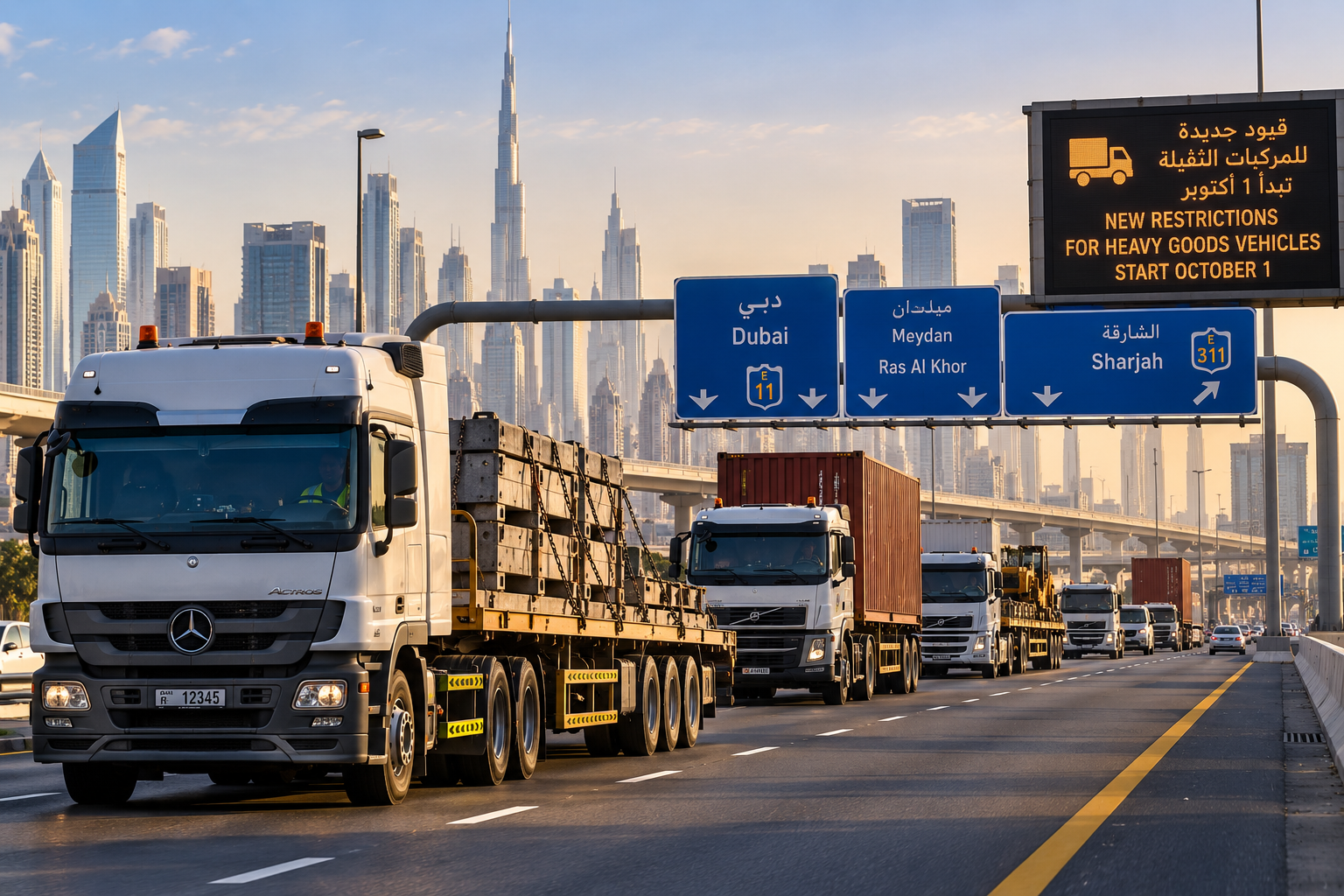
Dubai to Restrict Lorries on Sheikh Zayed Road and Key Routes From October 1
From Thursday, 1 October, Dubai will bar lorries from Sheikh Zayed Road between 6am and 10pm and from several other major roads at set peak times. The RTA and Dubai Police say the move will cut congestion and improve safety.
Dubai is about to change the way heavy goods vehicles move through the emirate. From Thursday, 1 October, lorries will face new limits on Sheikh Zayed Road and several other major routes, part of a wider effort to cut congestion and improve road safety.
The Roads and Transport Authority is introducing the rules together with Dubai Police. In a statement, the RTA said the step supports the efficiency of the city's transport and logistics network.
Where and when the ban applies
The restrictions differ from road to road, so drivers and fleet managers will need to check them carefully.
Banned at all times: lorries will not be allowed on Al Meydan Street, Al Qudra Street, the Airport Tunnel and all crossings.
Banned from 6am to 10pm daily: Sheikh Zayed Road, Beirut Street and selected residential areas including Oud Al Muteena, Muhaisnah and Al Mizhar.
Banned during three daily peak windows: on Sheikh Mohamed bin Zayed Road between Ras Al Khor Road and the Sharjah border, in both directions, trucks cannot travel from 6.30am to 8.30am, 1.30pm to 3.30pm and 5.30pm to 8pm. The same three periods apply on Damascus Street, Amman Street and Airport Street.
Exempt: Emirates Road (E611), one of the country's main transport links, is not covered by the decision.
Put simply, the practical window on Sheikh Zayed Road is now overnight. With the ban running for 16 hours a day, only the period from 10pm to 6am remains open to lorries. On Sheikh Mohamed bin Zayed Road, the three restricted periods add up to six and a half hours a day, leaving the gaps between them open. A dispatcher planning a route across the emirate will need to check each road separately rather than assume one rule fits all.
Why now
The timing is deliberate. Traffic in Dubai rises as the quieter summer months end, and the population continues to grow. Authorities have been expanding the road network to keep pace, and the lorry rules are one more lever, this one aimed at how the roads are used rather than how many there are.
This month, the Dubai government approved a new 80km, 12-lane motorway linking the emirate with Sharjah and Abu Dhabi. The first phase, costing Dh3.5 billion, is expected to cut travel times by up to 60 per cent. Running from Al Shanouf Road to Dubai–Al Ain Road, the road is designed to carry up to 24,000 vehicles an hour in both directions and to serve more than 3.1 million people.
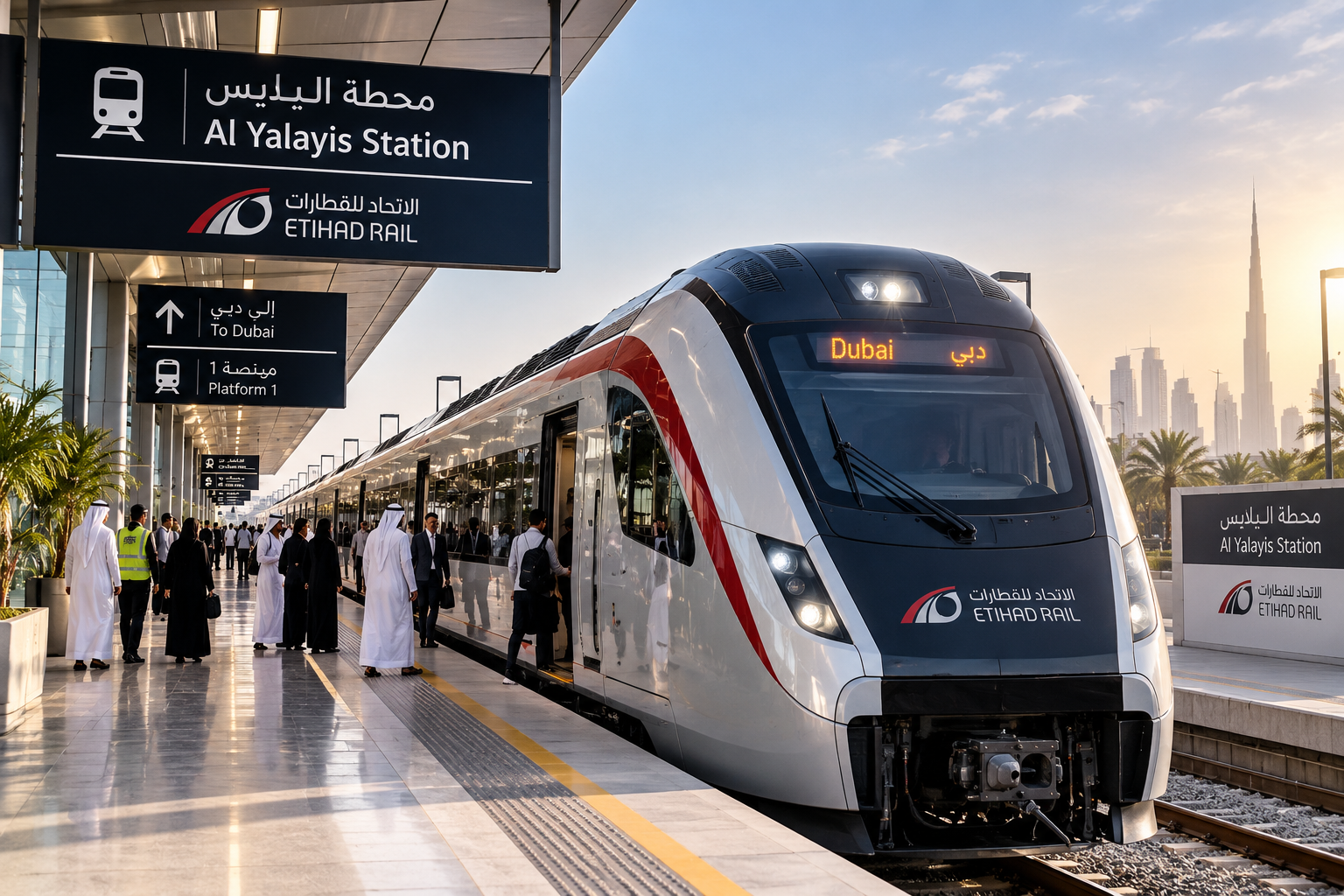
The lorry ban therefore sits alongside longer-term infrastructure spending, and alongside the opening of Dubai's Etihad Rail station this week. Together they point to a strategy of moving people onto trains and taking heavy freight out of the busiest hours.
What drivers and freight firms should do
The RTA has urged truck drivers, transport companies and freight operators to comply with the restriction times, plan their journeys in advance and use permitted alternative routes and designated rest stops.
Those rest stops are already well used. The RTA says about 150,000 heavy goods vehicles use its 16 truck rest stops each month, which together provide more than 1,000 parking spaces. Drivers who cannot enter a restricted road during a banned period will need somewhere to wait, and those facilities are where many will do it.
For logistics companies, the practical consequences are scheduling and cost. Deliveries that once relied on Sheikh Zayed Road through the day will need to shift to permitted routes, night hours or off-peak windows. Firms serving customers in the affected residential areas should map their routes before Thursday, brief drivers, and check whether contracts allow for adjusted delivery slots.
The effect on everyday motorists
For ordinary drivers, the aim is fewer slow-moving heavy vehicles on the busiest roads at the busiest times. Lorries accelerate and brake more slowly than cars, and their size affects sight lines and lane changes, so removing them during peak hours can help traffic flow and reduce the risk of collisions.
Whether the change delivers noticeable relief will become clear in the first weeks. Early days often bring confusion as drivers learn new rules, and enforcement will be watched closely.
Bottom line
From tomorrow, Dubai's roads will operate under a tighter set of rules for heavy vehicles. Anyone who drives, dispatches or receives goods by lorry should check the route list, note the hours and plan around them.
Leave a comment
Your email address will not be published. Required fields are marked *