IRGC Claims Attack on Oracle Data Center in Dubai; UAE Denies Reports
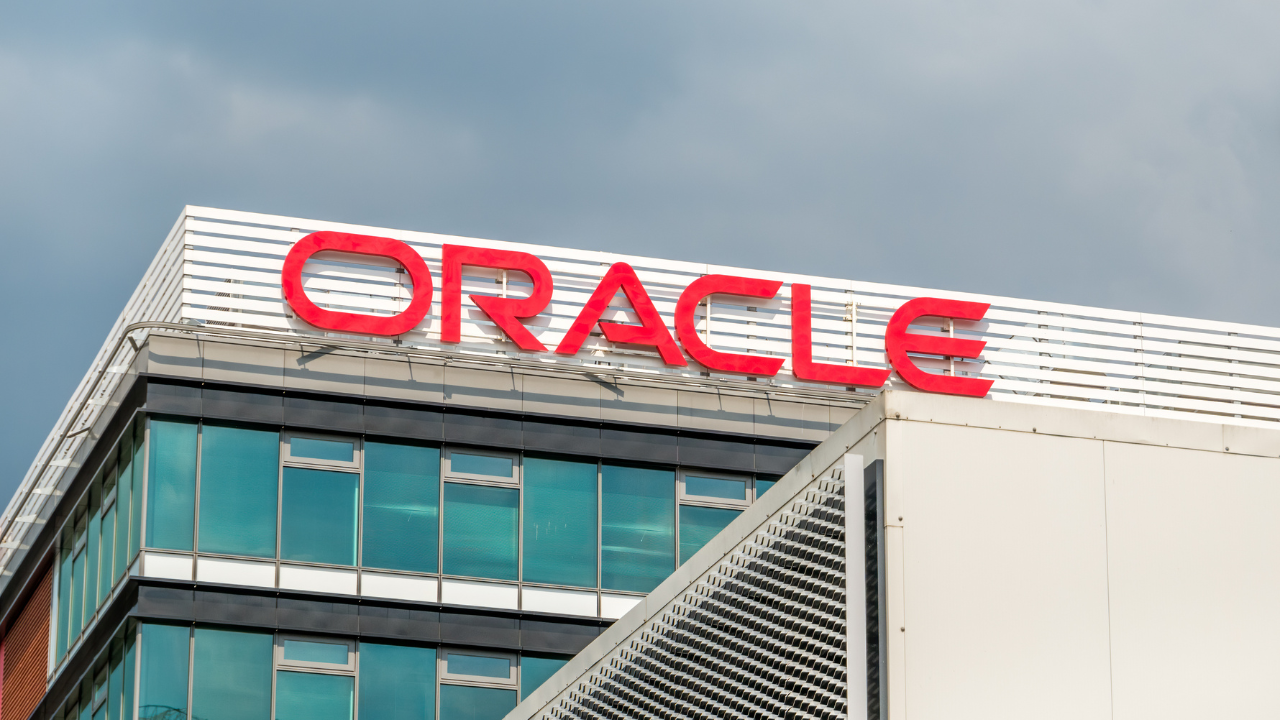
Iran’s Islamic Revolutionary Guard Corps (IRGC) has claimed that it struck a data center belonging to American tech giant Oracle in Dubai. However, UAE media has strongly denied these reports, stating that no such attack took place. The conflicting claims add to the growing tensions in the region.
According to a report by Al Jazeera, the IRGC’s navy command said it launched an attack on the Oracle facility in Dubai. The claim was made via Iranian state media and follows the IRGC’s recent public threats to target 18 major US tech companies operating in the Middle East.
The UAE’s swift denial of the attack highlights the ongoing information warfare between Iran and Gulf nations. While Iran seeks to project strength and deterrence, Gulf states are working to maintain stability and counter misinformation. This incident is the latest in a series of competing claims.
IRGC Warned 18 US Companies
Just a day earlier, on April 1, the IRGC had claimed responsibility for an attack on an Amazon cloud computing center in Bahrain. Bahrain’s Interior Ministry confirmed that a fire broke out at a company facility following what authorities described as an Iranian attack. The incident caused damage but no casualties were reported.
The IRGC had issued a warning to 18 American companies, including Microsoft, Apple, Google, Meta, IBM, Cisco, Oracle, Tesla, Nvidia, Intel, Palantir, JP Morgan, and Boeing. The group accused these firms of acting as “spies” for the US government and helping it carry out strikes.
In a message shared on Telegram, the IRGC said: “These companies, starting from 8:00 pm Tehran time on Wednesday, April 1, should expect the destruction of their relevant units in exchange for every assassination in Iran.” The warning also advised employees to leave their workplaces immediately.
Escalating Tensions in the Gulf
The IRGC’s threats come amid escalating hostilities between Iran, the United States, and Israel. Last week, Amazon confirmed that its AWS region in Bahrain had been “disrupted” due to the conflict, marking the second time in a month that its operations were affected.
The US has maintained a strong military presence in the Gulf, while Iran has ramped up its missile and drone capabilities. The targeting of tech infrastructure represents a new dimension in the conflict, moving beyond traditional military assets.
Iran’s Response to US Threats
The Permanent Mission of Iran to the United Nations issued a sharp response to recent comments from US President Donald Trump. In a post on X, the mission stated: “The US President’s explicit threat to ‘bomb Iran back to the Stone Age’ reflects ignorance, not strength, and constitutes evidence of intent to commit war crimes.”
The statement added: “Iran’s civilisation spans more than 7,000 years, whereas the US is scarcely 250 years old. Such a civilisation cannot be destroyed by bombing.” This rhetorical exchange underscores the deep animosity between the two nations.
Also Read: Best Home Remedies for Face Care: Natural Tips for Healthy, Glowing Skin
What’s Next?
As the conflict continues, tech companies operating in the Middle East face increasing risks. The IRGC has made it clear that American firms are legitimate targets in its view. Gulf nations, meanwhile, are working to protect critical infrastructure and maintain public confidence.
For now, the claim of an Oracle data center attack in Dubai remains unverified and denied by UAE authorities. However, the threat landscape for US tech companies in the region has clearly escalated, with potential implications for global cloud services and data security.