Dubai Luxury Retail Faces Slowdown as Regional Conflict Impacts Tourist Footfall
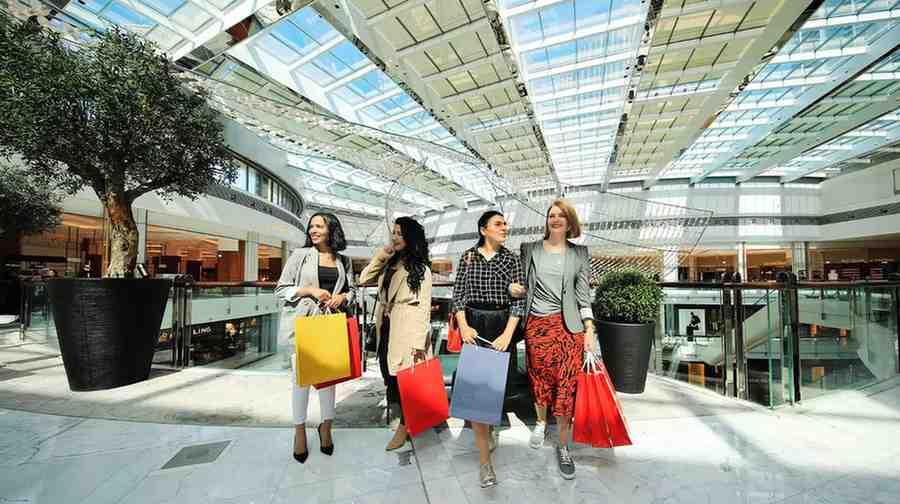
Dubai’s world-famous luxury shopping scene is witnessing an unexpected slowdown as the ongoing conflict in the Middle East begins to impact tourism and consumer activity. Known for its bustling malls, high-end brands, and steady influx of international shoppers, the city is now experiencing quieter retail spaces and declining footfall. At the heart of this shift is the iconic Dubai Mall, typically one of the busiest shopping destinations globally. Located near the Burj Khalifa and home to over a thousand stores, the mall is usually packed with tourists browsing premium brands and making big-ticket purchases. However, in recent weeks, the usual crowds have thinned significantly. Instead of long queues and bustling corridors, shops are seeing fewer visitors, with only a modest number of residents and occasional shoppers walking through the premises.
The decline comes nearly three weeks into the ongoing regional conflict involving the US, Israel, and Iran, which has disrupted travel patterns across the Gulf. With heightened tensions, flight uncertainties, and safety concerns, many tourists have either postponed or cancelled their trips. As a result, Dubai—heavily reliant on international visitors for luxury spending—is beginning to feel the economic impact. Airlines operating to and from the region have adjusted schedules, and some travelers have opted to reroute their vacations to destinations perceived as more stable, further contributing to the drop in arrivals.
Dubai plays a crucial role in the global luxury market. The United Arab Emirates accounts for a significant portion of luxury sales in the Middle East, with Dubai contributing the majority share. The city has long been a preferred destination for affluent tourists, offering a combination of tax-free shopping, premium retail experiences, and world-class hospitality. Strong tourist inflows had helped sustain luxury demand even as other regions such as Europe and Asia experienced slower growth. Now, that growth engine is facing pressure. Retailers are reporting reduced sales, and the slowdown in visitor arrivals is raising concerns among global luxury brands that depend on the Gulf market. The situation is further complicated by supply chain disruptions, which are affecting the availability of certain high-end products in stores, adding another layer of difficulty for retailers already grappling with lower customer traffic.
The broader economic ripple effects of the conflict are also becoming visible. Across the region, the war has disrupted tourism flows and dented consumer confidence. Travel advisories, airspace issues, and general uncertainty have made visitors more cautious. This has led to a noticeable dip in discretionary spending, particularly in luxury segments where purchases are often driven by international travelers. Even among residents who remain in the city, there has been a shift toward more conservative spending patterns, with many choosing to postpone non-essential luxury purchases amid the uncertain geopolitical climate.
Despite the slowdown in retail, Dubai’s authorities and businesses are working to maintain a sense of normalcy. Efforts are being made to reassure visitors and residents that the city remains safe and operational. Retailers have launched targeted promotions aimed at local customers, hoping to offset the decline in tourist spending. However, analysts suggest that as long as uncertainty persists, tourism-dependent sectors such as retail, hospitality, and entertainment will continue to face challenges. The luxury segment, in particular, is especially vulnerable given its heavy reliance on high-spending international travelers who typically visit Dubai for shopping-focused vacations.
Interestingly, not all sectors are equally affected. While luxury shopping has slowed, some areas such as real estate have shown resilience, with continued investment activity from global buyers. This contrast highlights the uneven impact of the crisis across Dubai’s economy. The city’s diversified economic base, which includes logistics, finance, and technology, is helping to cushion the broader impact, but the retail sector remains one of the most visible indicators of shifting consumer sentiment.
Also Read: Why Healthy Eating Can Lead to Weight Gain: Experts Explain Hidden Metabolic and Hormonal Factors
For now, the luxury retail sector remains in a wait-and-watch mode. Businesses are hoping for a quick resolution to the conflict and a rebound in tourist arrivals, which would help restore the city’s vibrant shopping culture. Until then, the quieter aisles of Dubai’s malls stand as a reminder of how global events can swiftly reshape even the most robust consumer markets. In the long run, experts believe Dubai’s strong infrastructure, global connectivity, and reputation as a premium destination will help it recover. But in the short term, the slowdown in visitor flow is a clear indication of how sensitive luxury retail is to geopolitical uncertainty. The coming weeks will be critical in determining whether the situation stabilizes or if further declines are ahead for a sector that has long been a cornerstone of Dubai’s economy and global brand identity.