India Invokes Emergency Powers to Boost LPG Production Amid Middle East Conflict Threatening Imports
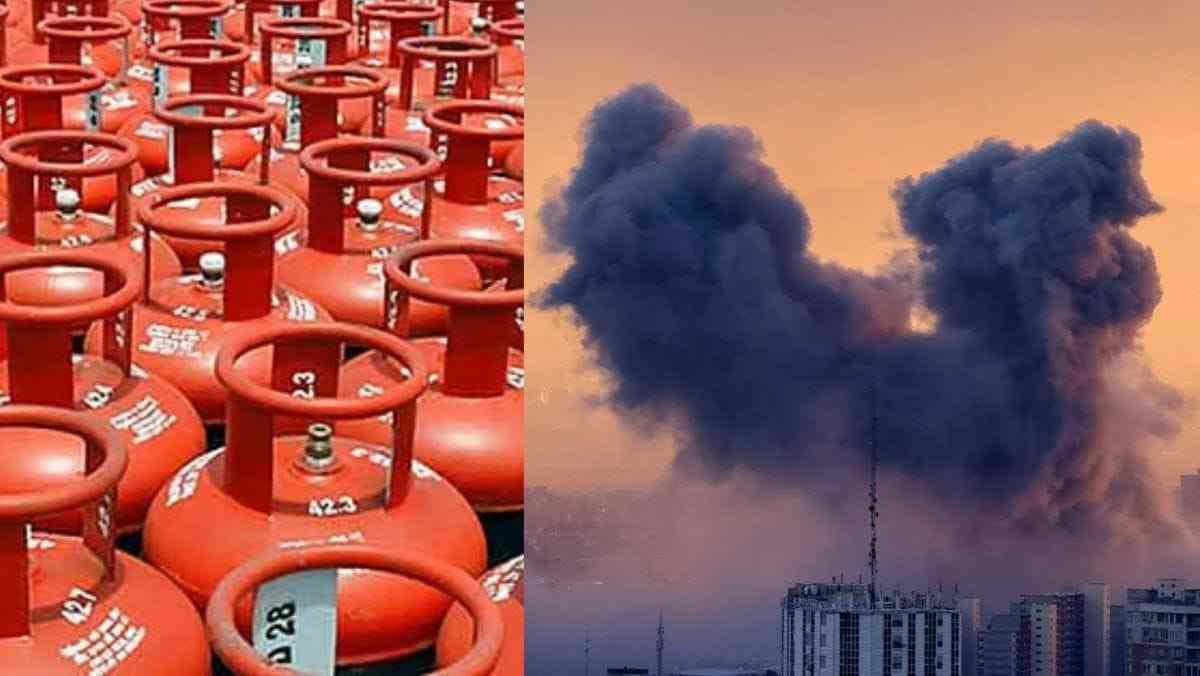
New Delhi, India — India has taken emergency measures to safeguard the supply of cooking gas across the country as the ongoing conflict in the Middle East threatens energy shipments, exposing the nation's vulnerability to global disruptions. The government has invoked special powers and instructed domestic oil refiners to significantly increase the production of liquefied petroleum gas (LPG) in order to prevent a potential shortage of the widely used household fuel.
The decision comes as the escalating conflict involving the United States, Israel and Iran disrupts energy supplies and shipping routes in the Gulf region, creating uncertainty in global markets. These developments have raised concerns that LPG imports to India could be affected, prompting authorities to act quickly to ensure that domestic supplies remain stable.
Government Directives
Officials said the government has directed refineries across the country to maximise LPG production using available resources, prioritising this essential fuel. Refiners have been asked to prioritise the processing of propane and butane — the primary components used to produce cooking gas — to ensure sufficient supply for households.
India's Import Dependence
India relies heavily on imports to meet its cooking gas demand, making it vulnerable to external shocks. The country is one of the world's largest consumers and importers of LPG, having used around 33 million metric tonnes of the fuel last year, a figure that continues to grow.
Because of this dependence on imports, any disruption in global supply chains or shipping routes can quickly affect domestic availability and prices, impacting millions of households.
The Strategic Threat
The current geopolitical crisis has heightened fears that supplies passing through key maritime routes in the Middle East could be interrupted, with no immediate end in sight. A significant portion of global energy shipments passes through the Strait of Hormuz, one of the world's most critical oil transit points, which has become a flashpoint.
Military tensions in the region have already disrupted shipping activities and raised concerns about further interruptions that could choke off supply.
Emergency Provisions Activated
To address these risks, the Indian government has activated emergency provisions that allow authorities to direct refineries on how to manage fuel production. These powers enable the government to prioritise essential fuels such as LPG and ensure that they are produced in adequate quantities to meet domestic demand.
Under the new directive, refiners may need to redirect certain petroleum streams that would normally be used for petrochemicals or other industrial products toward LPG production. By reallocating these resources, authorities hope to maintain sufficient cooking gas supplies even if imports decline.
Exploring Alternatives
In addition to boosting domestic production, the government is also exploring alternative sources for LPG and other energy supplies, diversifying away from risk. Officials are monitoring global markets and considering additional imports from different regions to ensure that supply chains remain secure despite the ongoing conflict.
Vulnerability Exposed
The situation has highlighted India's vulnerability to energy disruptions caused by geopolitical tensions, a longstanding concern. As one of the world's largest energy importers, the country depends heavily on supplies from the Middle East, making it sensitive to developments in the region.
Analysts say prolonged conflict could push oil and gas prices higher, affecting both consumers and industries across the economy.
Importance of LPG
Experts note that LPG is particularly important for millions of Indian households that rely on it as their primary cooking fuel, making it essential for daily life. Government welfare schemes over the past decade have significantly expanded LPG usage, meaning any shortage could have widespread social and economic impacts.
Confidence Amid Crisis
Despite these challenges, officials remain confident that the measures being implemented will help maintain stable supplies and prevent panic. By increasing refinery output and diversifying import options, authorities aim to ensure that households across India continue to receive uninterrupted cooking gas even as global energy markets face uncertainty.
Looking Ahead
The government is expected to keep monitoring developments in the Middle East and may introduce further measures if the conflict continues to disrupt global energy supplies. For now, boosting domestic LPG production is seen as a key step to prevent shortages and protect consumers from the fallout of the international crisis.
Also Read: Indian Investors Move Millions From Dubai to Singapore Amid Middle East Conflict Fears
Conclusion
As missiles fly over the Gulf, India moves to protect its kitchens. Emergency powers, refinery redirections, and import diversification—all to keep the gas flowing.
India's cooking gas at risk. Government acts to boost LPG production. The Strait of Hormuz crisis reaches every Indian home.