
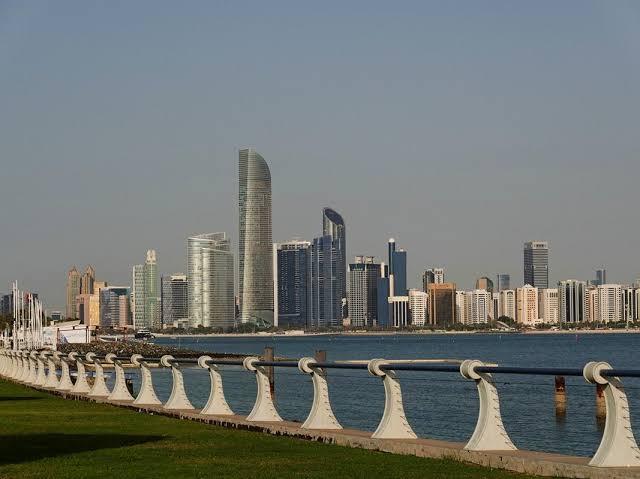
UAE Balances Deterrence and Diplomacy as US-Iran Tensions Reshape Gulf Security
The UAE continues to walk a careful line between deterrence and diplomacy as the US-Iran standoff enters a critical phase, with the upcoming UN General Assembly seen as a key opportunity for de-escalation. Analysts warn that any fresh disruption to Gulf energy infrastructure could quickly unsettle recently calmed oil markets.
UAE Holds Steady on Two Fronts as Regional Standoff Persists
Abu Dhabi is once again threading a familiar needle this week, standing firm on regional security while keeping diplomatic channels with Tehran open, as the wider United States-Iran confrontation shows little sign of a swift resolution. Officials in the capital have repeatedly stressed that the country's approach rests on two pillars that rarely get equal airtime elsewhere in the region: deterrence paired with dialogue.
The latest flashpoint centers on comments from Washington suggesting that Tehran wants an agreement but has yet to accept the terms being offered. That mixed signal has kept markets and diplomats alike on edge, with the practical consequences already visible across Gulf aviation, shipping lanes and energy pricing.
Why the UAE's Position Matters Right Now
For a country whose economy leans heavily on open skies, free-flowing trade routes and stable energy markets, prolonged uncertainty is costly even when no direct escalation touches Emirati soil. The UAE's calculus has therefore been to avoid picking sides in rhetoric while quietly reinforcing its own defensive posture and keeping communication lines with Iranian counterparts active.
This balancing act isn't new. The Emirates has spent years cultivating relationships across rival camps in the Gulf, a strategy that has allowed it to remain a trusted interlocutor even during periods of heightened regional friction. What has changed is the stakes: a further disruption to energy infrastructure, or renewed restrictions on shipping through the Strait of Hormuz, could rapidly reverse the modest easing that oil markets have experienced in recent weeks.
The Diplomatic Calendar Ahead
Much of the coming fortnight's attention will shift to New York, where the United Nations General Assembly's high-level week begins next week and runs through late September. World leaders and senior officials are expected to use the gathering as an informal venue for back-channel discussions, even where no formal bilateral talks are scheduled.
For Gulf governments, including the UAE, the session offers something valuable: a direct, low-profile channel to raise concerns about regional security without the theatrics of a dedicated summit. Discussions on development, climate action, sea-level rise and pandemic preparedness will run alongside the General Debate, but observers say the real substance for Gulf diplomacy will happen in sidebar meetings away from the main stage.
Impact on Everyday Life in the UAE
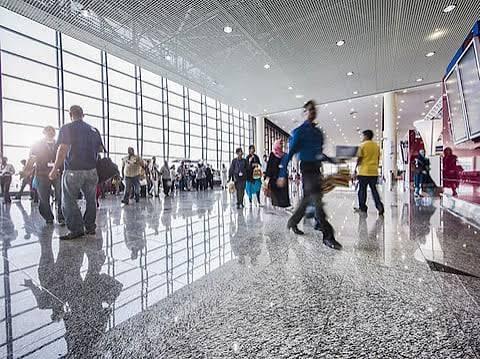
Beyond the diplomatic maneuvering, residents and businesses in the UAE are feeling more tangible effects. Airlines have had to adjust routes to account for evolving airspace risk, meaning travelers crossing sensitive regional corridors should brace for the possibility of last-minute delays, rerouting or outright cancellations. While Dubai and Abu Dhabi's main hubs continue to operate largely as normal, the ripple effects of the wider conflict are visible in adjusted schedules from multiple international carriers.
Energy markets, too, remain sensitive to any hint of escalation. Analysts tracking the situation note that a renewed attack on Gulf energy infrastructure, or any move to further restrict passage through Hormuz — the narrow waterway through which a significant share of the world's seaborne oil trade passes — would be the single biggest risk to watch. Such an event could quickly undo the calm that has settled over global oil pricing in recent sessions.
A Familiar Playbook, Applied Under New Pressure
What distinguishes the UAE's response this time is not the strategy itself, but the pressure it's being tested under. Abu Dhabi has long positioned itself as a stabilizing voice in a volatile neighborhood, hosting dialogue even with governments it has tense relations with elsewhere. That reputation is now facing its sternest examination as the US-Iran standoff drags into a period officials describe as potentially decisive.
Government messaging out of Abu Dhabi in recent days has avoided inflammatory language, instead emphasizing continuity: existing security arrangements remain in place, diplomatic contacts continue, and the country's broader economic and social life proceeds without interruption. That measured tone is itself a signal — one aimed as much at domestic and business audiences as at international observers watching how Gulf states respond under strain.
What Comes Next
With the UN gathering just days away, the coming week is likely to offer the clearest indication yet of whether de-escalation is genuinely on the table or whether the current standoff will persist into the autumn. For the UAE, the priority remains protecting its economic momentum and regional standing without being drawn into direct confrontation — a position it has defended successfully so far, even as the margin for miscalculation narrows.
Residents and businesses across the Emirates are advised to stay updated through official channels as the situation evolves, particularly those with travel plans that intersect with regional airspace in the days ahead.
This is a developing international affairs story. Readers should monitor official UAE government and airline communications for the latest updates.
Leave a comment
Your email address will not be published. Required fields are marked *