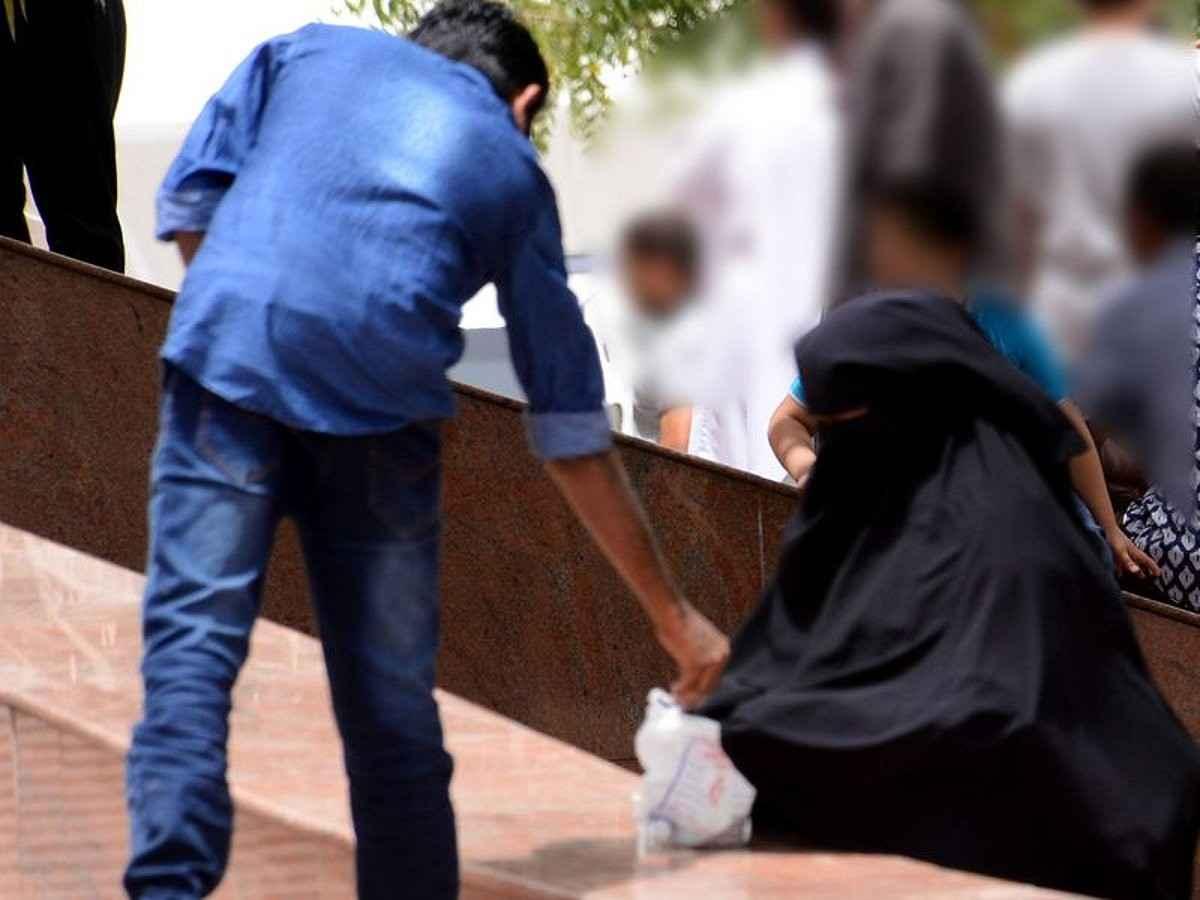
Growing Concerns Over Begging Networks During Ramadan 2026: UAE Authorities Issue Warning
Dubai, UAE — As the holy month of Ramadan 2026 unfolds, authorities in the United Arab Emirates have once again sounded the alarm over an increase in organised begging activity in public places, launching annual campaigns to combat what officials describe as a seasonal surge in exploitation of charitable sentiments. Law enforcement agencies have reported that certain individuals — allegedly including a notable number of people travelling from Pakistan and other countries — are arriving in the UAE on short-term visas with the explicit intent of begging on the streets and at traffic junctions, turning compassion into commerce.
According to UAE security officials, the phenomenon has escalated during Ramadan, a time when generosity and charitable giving naturally increase among residents and visitors seeking spiritual rewards through helping others. Beggars, authorities say, sometimes take advantage of this heightened spirit of compassion to solicit money through deceptive tactics or by staging fabricated hardships that tug at heartstrings but lack any basis in reality.
Authorities Step Up Anti-Begging Enforcement
Dubai Police and other Emirates' law enforcement bodies have intensified anti-begging operations as part of an annual campaign aimed at preserving public order and the country's civilised image, ensuring that the holy month remains focused on genuine spirituality. In the first week of Ramadan 2026 alone, 26 beggars of various nationalities were arrested in Dubai under the "Combat Begging" initiative, which is implemented with the cooperation of the General Directorate of Residency and Foreigners Affairs and the Department of Islamic Affairs and Charitable Activities.
Brigadier Ali Salem Al Shamsi, director of the Department of Suspects and Criminal Phenomena, said police continuously track and counter the evolving methods used by beggars to exploit public sympathy, adapting their strategies as quickly as the offenders develop new tactics. These include approaches near mosques during prayer times, clinics, markets and at busy roads where traffic slows, where individuals sometimes use children to evoke pity, fake injuries to appear needy, or bogus "stranded family" narratives to elicit money from passers-by.
Authorities have underscored that begging is a criminal offence in the UAE — punishable with fines and potential imprisonment — and that residents should avoid handing out cash directly, especially in response to unsolicited solicitations from strangers on the street. Instead, the public has been urged to direct donations through official charitable organisations that can ensure assistance goes to genuinely needy recipients and is properly accounted for.
Pakistan's Role and Broader Context
While UAE officials did not publicly publish specific data in the article itself about nationalities, there are longstanding concerns that many professional beggars travelling during Ramadan are coming from South Asian countries, including Pakistan, where economic pressures create push factors. Historical reports and official statements from past years have highlighted a notable number of Pakistani nationals being deported from Gulf states, including the UAE and Saudi Arabia, after being found begging or misusing religious pilgrimage visas for non-religious purposes.
The issue traces back to deeper socio-economic challenges in Pakistan, where begging has become embedded in parts of society due to widespread poverty, unemployment and organised begging syndicates that operate across borders, particularly in large urban centres like Karachi and Lahore. These networks reportedly exploit charitable traditions and work systematically, sometimes even trafficking vulnerable people — including children — into begging rings that function as criminal enterprises.
In response to repeated warnings from Gulf nations, Pakistan has taken some steps in recent years to curb the cross-border movement of beggars, including placing thousands of individuals on exit control lists to prevent them from travelling abroad for illicit purposes, though enforcement remains challenging given the scale.
Tactics Used by Beggars and Scammers
UAE authorities have documented a range of deceptive techniques used by those seeking alms, especially during Ramadan when people are most vulnerable to appeals. Beyond physically approaching motorists and pedestrians with sob stories designed to elicit immediate sympathy, some individuals have resorted to fabricating injuries — such as bandaged or doctored limbs that appear genuine — and even staging elaborate scenarios like "stranded families" in need of help after losing wallets or documents.
There has also been a rise in online begging and scam campaigns, where fraudsters utilise social media and messaging platforms to solicit financial donations under the guise of charity or humanitarian need, reaching far more people than street-level operations. UAE police have repeatedly warned the public not to engage with such appeals and to report suspicious cases to authorities through official channels.
Public Safety and Charity Guidance
In addition to enforcement, law enforcement agencies have worked to educate residents and visitors about the dangers of supporting organised begging schemes, emphasising that seemingly small donations can have big impacts when aggregated. They emphasise that giving directly to individuals on the street may inadvertently support criminal networks that exploit vulnerable people, and instead recommend donating through licensed charities that can verify need and distribute funds properly.
Authorities have offered various reporting channels — including police hotlines and smartphone apps — for reporting begging activity or scams, making it easy for the public to assist in enforcement. The message is clear: true charity should flow through official channels where it can make a real difference.
Also Read: Jason Derulo to Headline Dubai World Cup After-Race Show in March 2026
Conclusion
The issue of begging during Ramadan 2026 has become a key concern for UAE authorities, reflecting broader regional efforts to balance compassion with law enforcement and protect the integrity of charitable traditions. As officials crack down on both street and online begging, they aim to protect vulnerable people, uphold public safety and ensure the spirit of charity is not exploited for unlawful gain.
Close cooperation with foreign governments, including Pakistan, has become an important element in addressing the roots of the problem and managing the complex interplay between socio-economic issues and migration in the Gulf region. Only through such partnerships can the underlying causes be addressed.
Ramadan compassion meets enforcement reality. UAE cracks down on begging networks. Charity should go to those who truly need it.