
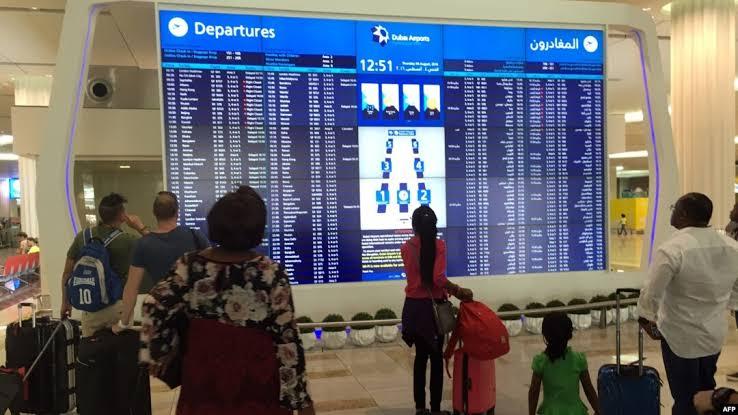
UAE Flights Face Fresh Delays and Cancellations Today as Regional Tensions Persist
Travelers passing through Dubai and Abu Dhabi are facing another day of mixed flight operations, with selective delays and cancellations continuing across major UAE carriers. While both major airports remain fully operational, airlines are urging passengers to check their status before heading out.
A Familiar Pattern of Disruption Continues at UAE Airports
Passengers traveling through the UAE's two busiest airports woke up Monday to another round of scattered flight delays and cancellations, as carriers including Emirates, Etihad Airways, flydubai and Air Arabia continue adjusting schedules against a backdrop of lingering regional security concerns.
Live tracking data for Dubai International, Al Maktoum International and Abu Dhabi's Zayed International Airport shows all three remain open and are handling the bulk of their scheduled traffic. However, pockets of disruption persist on select regional routes, continuing a pattern that has held for much of the past two weeks as airlines manage an unsettled operating environment shaped by wider geopolitical tensions across the Middle East.
What's Actually Being Affected
The disruption is not blanket in nature. Rather, airlines have concentrated adjustments on a limited set of departures and arrivals, particularly on routes that intersect with airspace flagged in international aviation advisories. Flydubai, for instance, reported a cancelled early-morning service between Dubai and Abha, while Etihad flagged delays and at least one cancellation on flights connecting Abu Dhabi with cities including Bengaluru and Kochi, some attributed to technical issues rather than security concerns directly.
Long-haul international routes have, by and large, continued operating with greater consistency than shorter regional connections, which appear more susceptible to short-notice rescheduling. At Zayed International Airport, Etihad's overall operations were described as broadly stable Monday, though some regional departures showed moderate delays of around 20 to 30 minutes.
Why This Keeps Happening
The root cause traces back to the European Union Aviation Safety Agency's continued conflict-zone bulletin covering parts of the Gulf, which remains in force amid persistent friction between the United States and Iran. While such advisories do not force airspace closures, they push airlines toward more cautious routing decisions and contingency planning, which can translate into schedule adjustments, holding patterns and, occasionally, outright cancellations on affected corridors.
Aviation risk assessments produced earlier this year concluded that intermittent disruption is likely to remain a feature of Gulf air travel for as long as underlying geopolitical tensions stay elevated, particularly for routes that transit airspace over neighboring conflict zones. That assessment has largely borne out in recent weeks, with UAE-based carriers managing a rolling series of adjustments rather than any single dramatic shutdown.
How Airlines Are Responding
Major UAE carriers have moved to reassure travelers while asking them to stay flexible. Emirates has advised passengers to check flight information ahead of travel and to ensure booking contact details are current, while also extending flexible rebooking options, including complimentary date changes for eligible ticket holders. Etihad has issued similar guidance, asking affected passengers to keep their contact information updated so the airline can push real-time notifications by text or email.
Air Arabia has reported a cluster of cancellations concentrated on routes linking Abu Dhabi, Sharjah, Kuwait and Bahrain, while confirming that a majority of its network continues operating on schedule. Passengers connecting through Dubai have been urged to build in extra buffer time, given that even modest delays can compress already tight transfer windows for those on connecting itineraries.
Practical Advice for Travelers
For anyone flying to, from or through the UAE in the coming days, aviation officials and airlines are offering consistent advice: check flight status directly with the airline before leaving for the airport, complete online check-in where available, and arrive with extra time built into the schedule Dubai authorities generally recommend at least four hours ahead of departure during periods of heightened disruption. Monitoring official airline channels for real-time updates remains the most reliable way to stay ahead of last-minute changes.
The Bigger Picture
While Monday's disruptions are unlikely to derail travel plans wholesale, they underscore how sensitive Gulf aviation remains to the broader security climate in the region. Both Dubai and Abu Dhabi have invested heavily in positioning their airports and flagship carriers as global aviation hubs, and the resilience shown by Emirates and Etihad in maintaining the bulk of their networks even amid recurring regional friction is likely to remain a key storyline for the UAE's aviation sector in the weeks ahead.


Leave a comment
Your email address will not be published. Required fields are marked *