
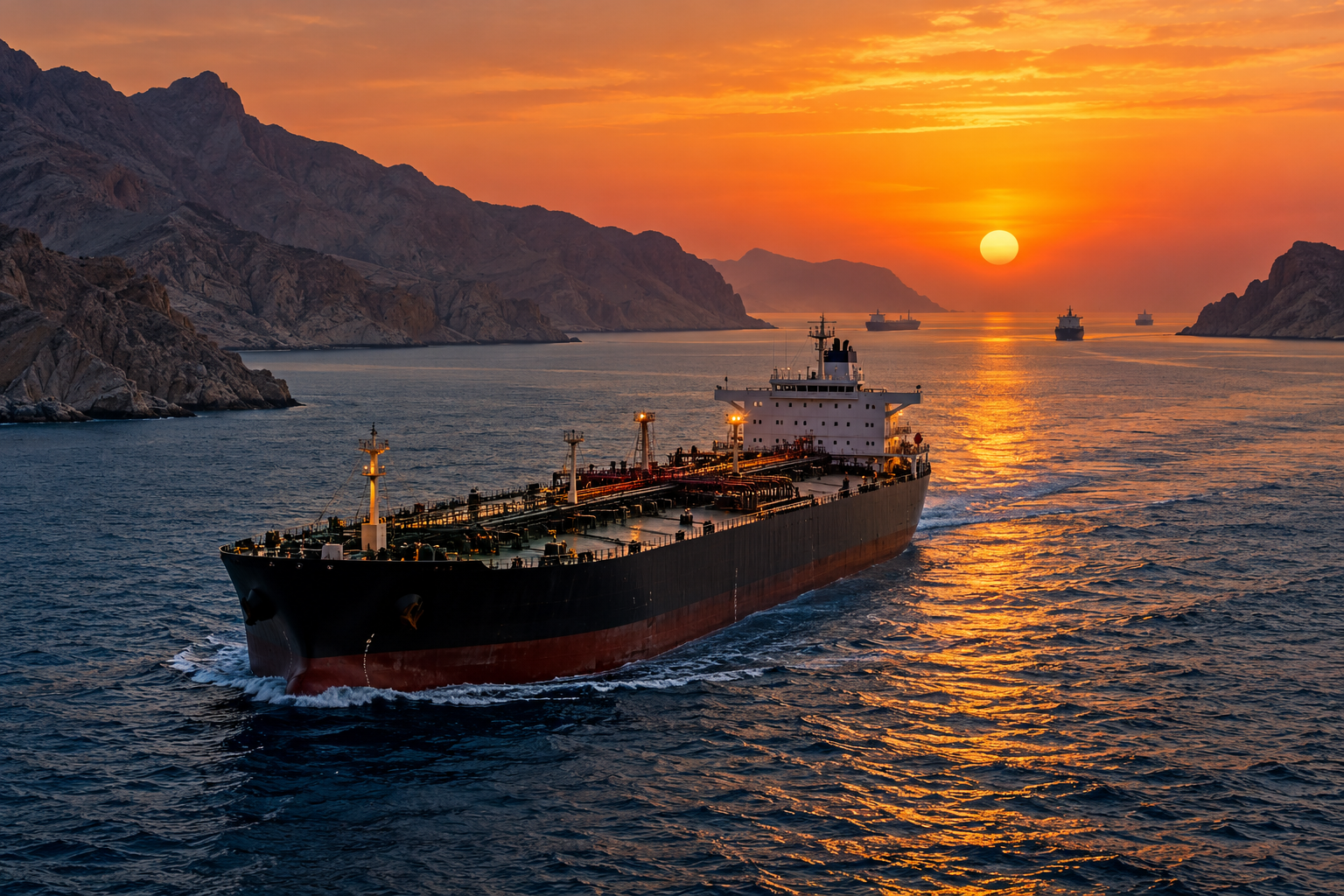
Saudi Arabia Intercepts Missiles as Hormuz Tanker Catches Fire and Brent Holds Near $115
Saudi air defences intercepted two Houthi ballistic missiles fired towards Riyadh, while Iran said an oil tanker caught fire after hitting mines in the Strait of Hormuz. Brent crude stood at $114.66 a barrel as regional diplomacy continued and Israel recorded its highest election turnout at that point of the day since 1973.
A fresh round of incidents across the Middle East on Tuesday kept the region's security and energy markets in focus, with missile interceptions over Saudi Arabia, a tanker fire in the Strait of Hormuz and a record-setting election day in Israel.
For UAE residents, the developments matter well beyond the headlines. They bear directly on oil prices, shipping routes and the flights many people rely on to travel to and from the Gulf.
Saudi Arabia intercepts missiles aimed at Riyadh
Saudi air defences intercepted and destroyed two ballistic missiles launched towards Riyadh by Yemen's Houthi group, the Saudi-led coalition said in a statement posted on social media. No further details on the incident were provided in the initial announcement.
The interception came amid a broader escalation in rhetoric. A Houthi political bureau member, Mohammed Ali al-Houthi, said on Telegram that Egypt's decision to authorise military support for Saudi Arabia amounted to a declaration of war against Yemen. He was responding to the Egyptian parliament's authorisation of support to help Saudi Arabia defend against Houthi attacks.
Tanker fire in the Strait of Hormuz
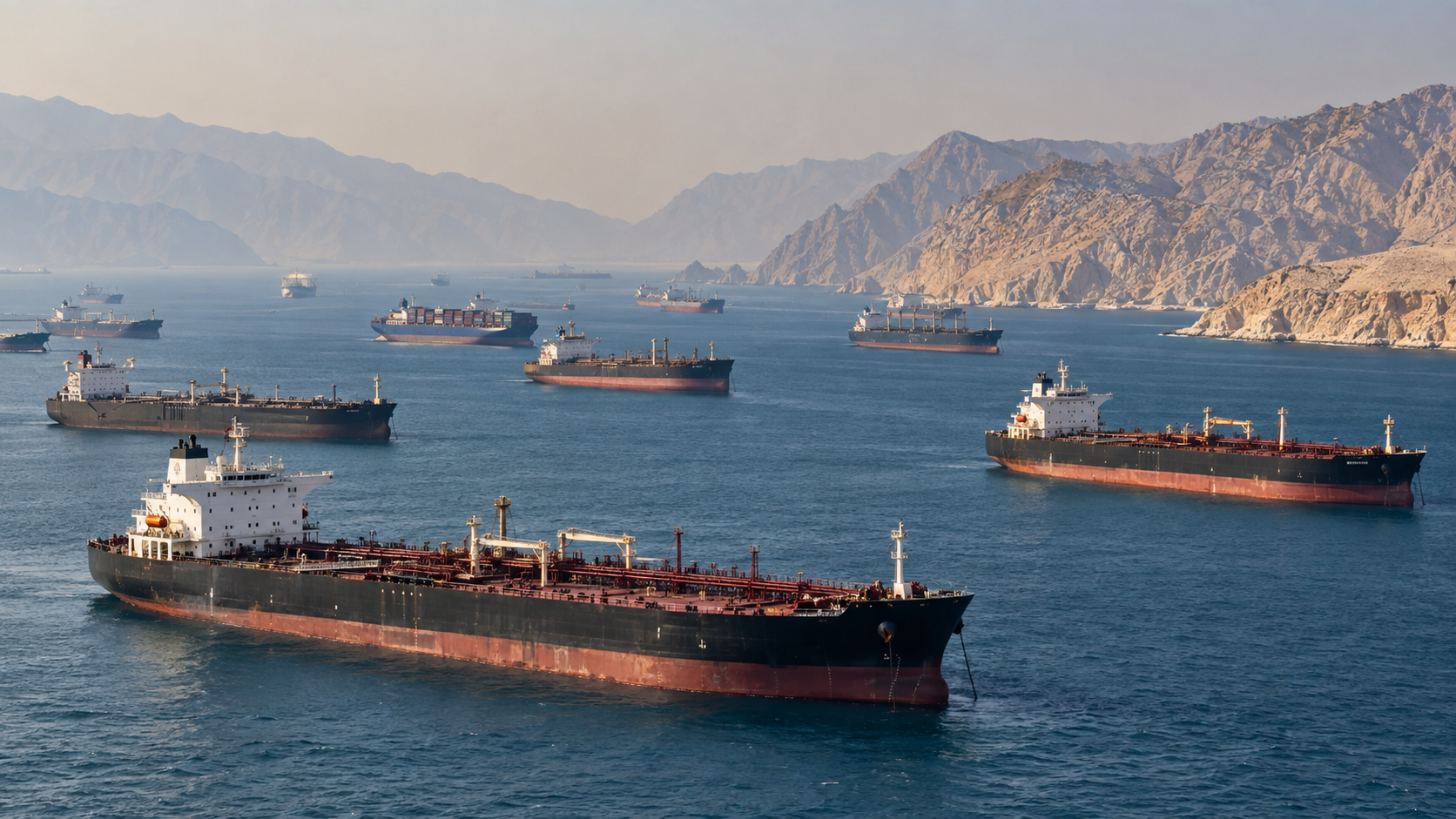
Iran's army said an oil tanker caught fire after striking naval mines as it attempted to cross the Strait of Hormuz on a route Tehran had not authorised. According to a statement carried by Iran's state news agency IRNA, the vessel had switched off its tracking systems and entered a prohibited and dangerous area east of the strait.
These claims come from Iranian authorities and could not be independently verified in the reports reviewed. The Strait of Hormuz remains one of the world's most important energy corridors, and any incident there is closely watched by shipping companies and traders.
Oil prices stay elevated
Energy markets continued to reflect the tension. Brent crude, the global benchmark, stood at  117.67, a decline of 0.28 per cent.
Even with Tuesday's small declines, both benchmarks remain at levels that put pressure on consumers and businesses worldwide. For producers in the Gulf, higher prices can bring revenue, but prolonged disruption to shipping and regional stability carries its own risks.
Diplomacy continues
Alongside the security incidents, diplomatic activity carried on. On Monday, officials from Saudi Arabia, Pakistan and Turkey met Iranian leaders in Tehran to discuss regional cooperation and the consequences of the conflict. Tehran described the discussions as "very good" and the parties agreed to continue talks, according to Gulf News.
On Tuesday, Saudi Crown Prince Mohammed bin Salman chaired a cabinet meeting in Riyadh where ministers reviewed those talks. The cabinet reaffirmed its commitment to establishing security and stability, Saudi state media reported.
In Tehran, Iran's Supreme Leader Ayatollah Mojtaba Khamenei met security chief Mohsen Rezaei to discuss regional security and the management of the Strait of Hormuz, his office said. The statement stressed protecting Iran's interests and adhering to conditions set by Iranian authorities to end the war and the state of "neither war nor peace".
Separately, Iranian President Masoud Pezeshkian met Qatar's Emir Sheikh Tamim bin Hamad Al Thani in Moscow, on the sidelines of an energy forum, to discuss ties between Tehran and Doha.
Record turnout in Israel's election
Israelis voted on Tuesday in the first national election since the 7 October 2023 attack. Turnout reached 44.9 per cent by 2pm local time, according to Israel's Central Elections Committee. Its acting director general, Dean Livne, said that was the highest nationwide participation recorded by the committee since 1973. At the same point in the 2022 election, turnout stood at 38.9 per cent.
Gulf News reported that Prime Minister Benjamin Netanyahu faces a challenge from former military chief Gadi Eisenkot, with security and accountability following the 2023 attack central to the campaign.
What it means for the UAE
Airlines serving the UAE continue to cancel or limit flights to Saudi Arabia, and shipping through key waterways remains sensitive to security developments. Residents with travel plans or business tied to the region should follow official updates and check with airlines before heading to the airport.
Elsewhere
In the UK, counter-terrorism police said two men had been charged with national security offences after an incident last month at a British airbase used by the United States. One is accused of assisting a foreign intelligence service believed to be linked to Iran, according to the reports.
With talks ongoing but incidents continuing, the situation remains fluid. Readers can expect further developments in the coming days.
Leave a comment
Your email address will not be published. Required fields are marked *