
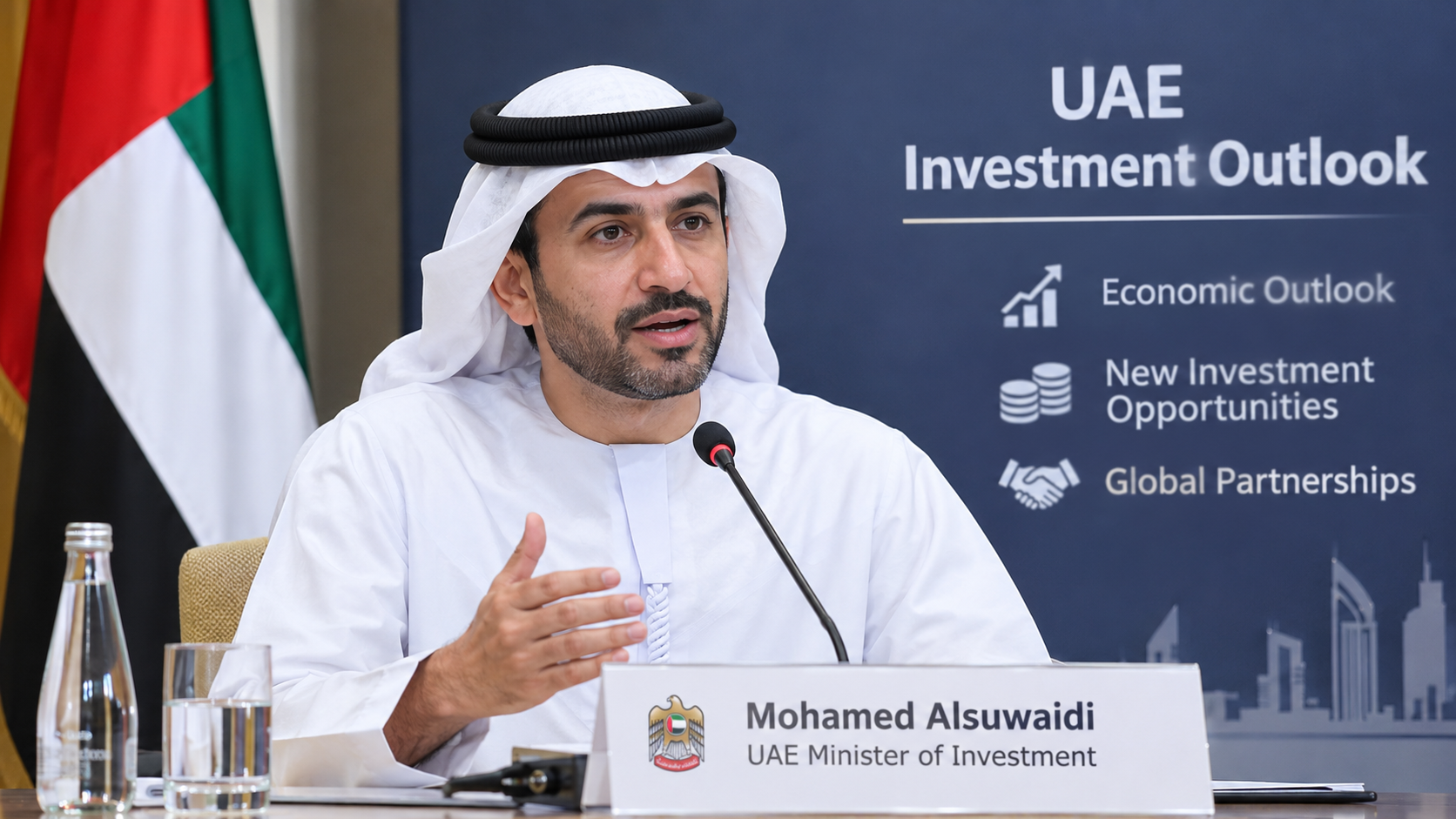
The UAE has emerged from the regional war in a stronger position than many expected, and officials now want to use that momentum to bring more outside money into the economy. That was the message from Mohamed Alsuwaidi, the Minister of Investment, in an interview with Bloomberg on Thursday.
Alsuwaidi said the country had come through the conflict "exceptionally well" and that he sees no slowdown in activity. If anything, he argued, the opposite is true: bigger projects are coming to life and more opportunities are opening up for investors.
An economy that kept growing
The minister's confidence rests on numbers. The UAE's real gross domestic product grew 0.4 per cent year on year in the first half of 2026, reaching Dh961.9 billion, or about $262 billion. That might look modest, but it came while the country was absorbing attacks.
The conflict began in late February, and the UAE was targeted with hundreds of missiles and drones, causing damage to civilian infrastructure and energy sites. Growth came largely from business activity outside the oil sector, which now makes up 79.2 per cent of GDP.
That share reflects a diversification push that predates the war by years. The conflict has put it under real pressure, and the figures suggest it has largely held.
Foreign direct investment tells a similar story. According to UN trade body UNCTAD, inflows rose by around 6 per cent last year to a record $48.24 billion, the ninth highest in the world. The UAE also ranked first in the Middle East for FDI, ahead of Saudi Arabia, which placed 13th.
Opening sectors that were closed
Alsuwaidi said the government wants to present the current moment as an opening rather than a risk. Part of that is widening access to areas that investors previously could not enter, especially infrastructure.
He pointed to several routes. Some projects will be offered through public-private partnerships. Others will come through partnerships with federal or local governments. Certain government assets may also be privatised.
The minister said he doesn't see a funding problem inside the country. Capital and talent are plentiful, he said, and the aim is to bring in third-party money in ways the UAE has not done before.
Building around the Strait of Hormuz
A large share of the infrastructure spending is linked to energy and trade routes. The UAE is investing in new pipelines and in additional port capacity, including on its eastern coast at Fujairah, to reduce its reliance on the Strait of Hormuz. These projects are expected to cost billions of dollars.
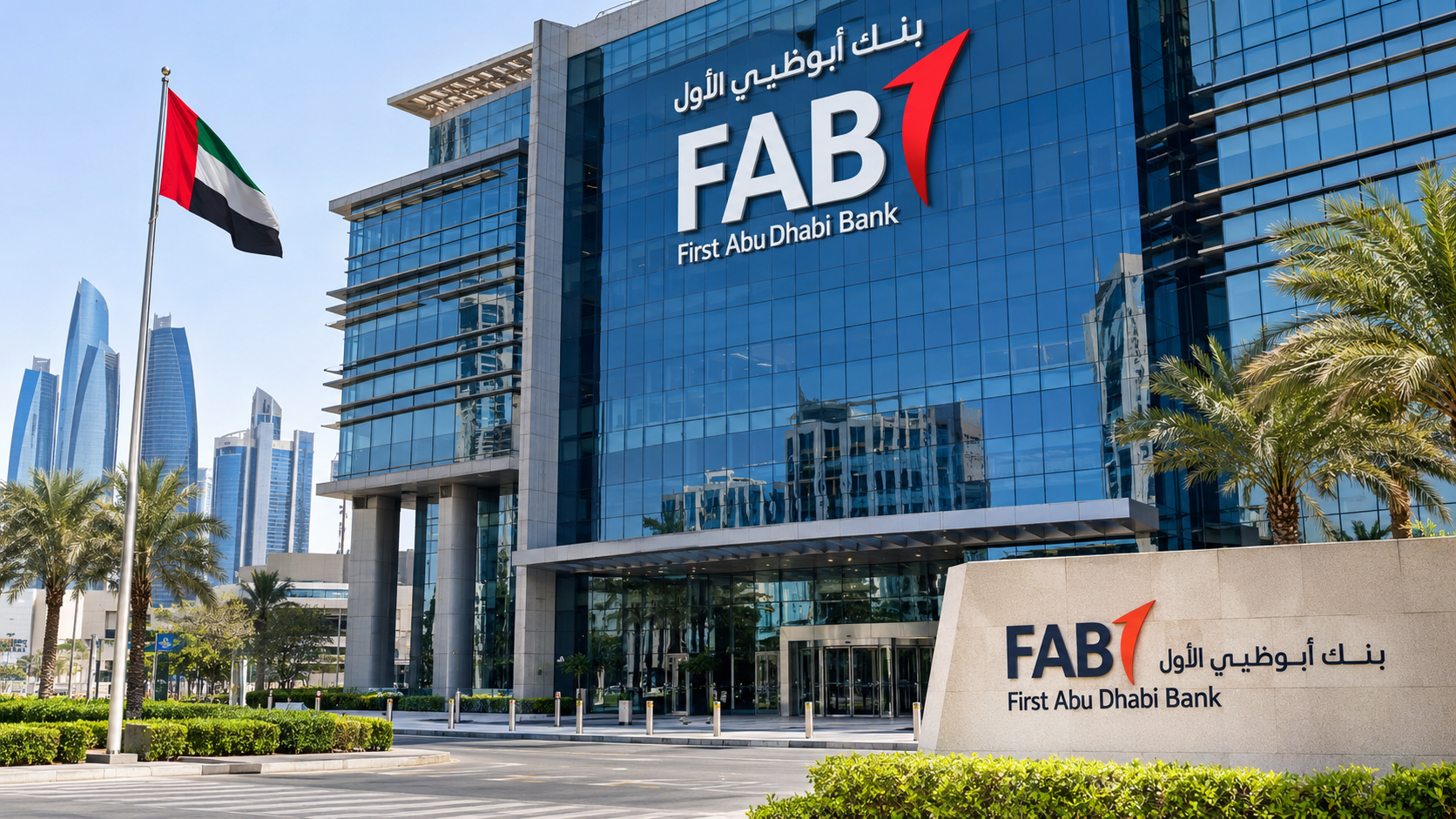
The scale of financing needed was underlined the same day by First Abu Dhabi Bank, which proposed a Dh15 billion rights issue, the country's largest, to support lending and expansion.
Where the demand is
Asked where investors should look, Alsuwaidi named artificial intelligence, logistics and air freight as booming areas. He also described a housing market where demand outpaces supply: the government cannot build quickly enough, he said, so it keeps building. Offices and warehouses, he added, face shortages in some parts of the market.
Other recent figures point in the same direction. Sheikh Mohammed bin Rashid Al Maktoum said earlier this week that nine-month foreign trade was approaching Dh3 trillion. Corporate tax revenue rose by about a third to Dh46.5 billion in 2025, according to reports published this week.
The caveats
None of this removes the risks. Regional tensions are still affecting travel, with several airlines adjusting flights across the Gulf, and security conditions remain fluid. Growth of 0.4 per cent is also well below the pace the UAE posted in recent years, and officials have not said when they expect it to accelerate.
The minister's argument is that crises create openings, and that the UAE's strengths, including capital, infrastructure and policy speed, are what allow it to move quickly. Investors will judge that claim on what is delivered rather than what is promised. The first test will be how many of the newly opened sectors reach the market, and on what terms.
Leave a comment
Your email address will not be published. Required fields are marked *