
Riyadh Alerts Raise Gulf Tensions as the UAE Holds to Deterrence and Dialogue
Residents of Riyadh and Al Kharj received a wave of emergency alerts on 19 September before an all-clear was issued, almost seven months into the US–Iran war. The UAE's diplomatic adviser said this week that Abu Dhabi is pursuing deterrence and dialogue with Iran at the same time. Shipping, energy and Red Sea security remain the wider worries.
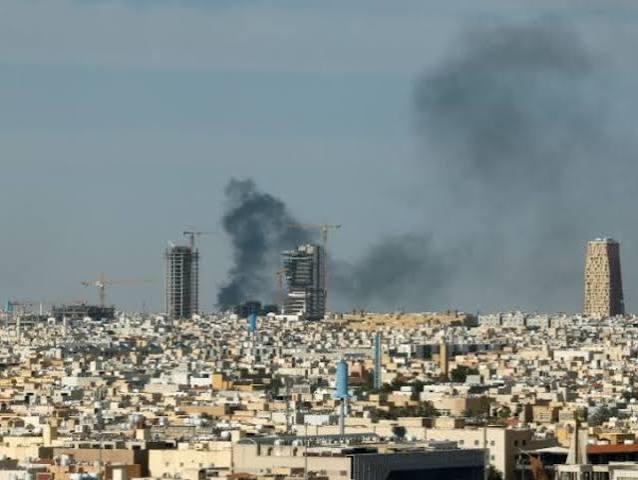
Residents of the Saudi capital and the nearby city of Al Kharj woke to emergency alerts on Saturday before authorities gave the all-clear. It was another sign that Gulf security stays fragile almost seven months into the war between the United States and Iran. The National reported that the kingdom's early warning platform sent simultaneous warnings to residents in both cities. Khaleej Times noted that the conflict has already rattled a global economy that was struggling.
Why the alerts matter
The warnings follow a tense week between Saudi Arabia and Yemen's Houthi movement. Riyadh accused the group of targeting Mecca on Wednesday and called it a terrorist attack on Islam's holy city. The Houthis rejected the claim and called it a worn-out lie. They say Saudi forces have carried out dozens of retaliatory strikes each day since the group launched an offensive this month to seize Yemen's entire Red Sea coast, which would give it control of the Bab al-Mandab strait.
That strait is one of the world's busiest shipping lanes. UAE diplomatic adviser Anwar Gargash made the point this week. He said Houthi control of Bab al-Mandab is a concern for everyone, not just the region, because such straits are international waterways and the issue touches the global economy.
A crowded regional agenda
Saturday's live coverage from The National showed how many threads are running at once. Headlines included the US "redirecting" another ship in the Strait of Hormuz, French President Emmanuel Macron announcing a G7 meeting on the energy crisis, Italy planning to send warships to protect vessels near Bab al-Mandab, and the Trump administration clearing the sale of fighter jets to Saudi Arabia. Defence Secretary Pete Hegseth also denied a report that US troop deaths exceed the Pentagon's official count. Separately, Donald Trump told Axios he is approaching a major crossroads in the war and that anything could happen.
The UAE's two-track approach
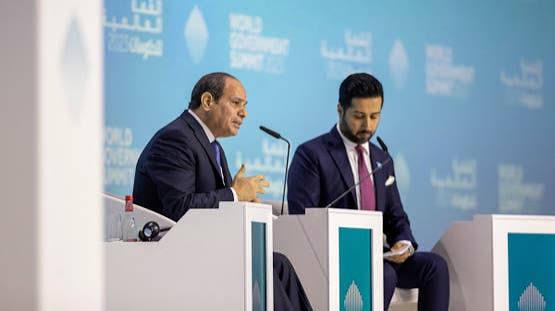
Against that backdrop, Abu Dhabi has set out its position. Speaking at the Arab Media Summit in Dubai on Thursday, Gargash said the UAE is running two parallel tracks: managing the immediate crisis while keeping its long-term diplomatic and economic agenda moving. He pointed to President Sheikh Mohamed bin Zayed's recent visit to Germany as evidence that the crisis is not stopping the country's international engagement.
Gargash drew a line between relations and trust. Geography, history and intertwined interests make dialogue with Iran necessary, he said, but rebuilding trust will take many years given the aggression Gulf states have faced. He said any talks should eventually go beyond trade, aviation and shipping to cover guarantees against attacks and arrangements for long-term stability.
He also said the first requirement is that Iran stop targeting Gulf states, and noted that Iran's president had publicly described the attacks on the Gulf as a major mistake. On Iranian accusations against the UAE, he said the country has defended itself and will keep doing so, while extending a hand of friendship and keeping the door open.
A diplomatic channel opens
The comments came days after a rare high-level contact. Gargash was referring to a 12 September meeting between Abu Dhabi Crown Prince Sheikh Khaled bin Mohamed bin Zayed Al Nahyan and Iranian President Masoud Pezeshkian on the sidelines of the BRICS summit in New Delhi. He said it opened a channel to discuss differences but did not mean the two sides agree on everything. Al Jazeera described it as the highest-level talks between the two since the war began.
On Riyadh, Gargash was direct. He said channels with Saudi Arabia remain open and that the kingdom's safety, security and prosperity are in the UAE's strategic interest. He added that Gulf security is interconnected, so a threat to one state affects its neighbours, and rejected the use of armed groups operating outside state institutions.
What it means for UAE residents
The daily effects are practical. Several flydubai and Air Arabia flights linking the UAE with Bahrain, Kuwait and Saudi destinations were cancelled today, and airlines say the security situation continues to influence schedules. Energy prices, shipping costs and travel plans all respond to events in the Red Sea and the Strait of Hormuz, even when the UAE itself is quiet.
What to watch next
Three questions will shape the coming weeks: whether the UAE–Iran channel produces anything concrete, whether the Houthi push on the Red Sea coast disrupts shipping further, and whether the G7 meeting on energy leads to coordinated action. Official UAE advisories remain the most reliable guide for residents, and readers should treat unverified social media reports with caution.
Leave a comment
Your email address will not be published. Required fields are marked *