
Arabian Travel Market 2026 Opens in Dubai, Betting on AI and Innovation to Power Tourism Recovery
The 33rd edition of the Arabian Travel Market opened in Dubai on Monday, bringing together thousands of tourism leaders under the theme "Travel 2040." This year's event places unprecedented emphasis on artificial intelligence and digital tools as the industry works to rebuild confidence after months of regional disruption.
Dubai's Biggest Travel Trade Show Returns With an AI-First Agenda
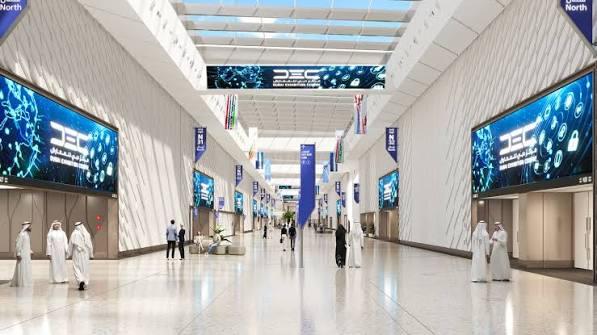
The Dubai World Trade Centre threw open its doors on Monday to the 33rd edition of the Arabian Travel Market, one of the travel industry's most closely watched annual gatherings, as thousands of tourism executives, government officials and technology innovators descended on the city for four days of deal-making and industry debate.
Running through Thursday under the banner "Travel 2040: Driving New Frontiers Through Innovation and Technology," this year's show arrives at a pivotal juncture for the sector. Organizers say the program has been deliberately built around themes of confidence, resilience and collaboration, reflecting an industry still working through the effects of months of regional travel disruption tied to wider geopolitical tensions.
A New Focus on Artificial Intelligence
Perhaps the most visible shift at this year's event is the introduction of ATM Travel Tech, a newly created, co-located exhibition occupying two dedicated halls and devoted entirely to the technologies reshaping how people plan, book and experience travel. The addition underscores how central digital transformation has become to the industry's recovery strategy.
The opening session set the tone, featuring Dr Marwan Alzarouni, chief executive of AI at Dubai's Department of Economy and Tourism, who examined how artificial intelligence is beginning to reshape everything from destination marketing to passenger experience. Representatives from major global travel technology names, along with airlines, online travel agencies and payment providers, are taking part in sessions covering agentic AI systems, the future of digital booking platforms, and how destinations can better anticipate what travelers want before they even ask.
Betting on Long-Term Growth Over Short-Term Volatility
Dubai's tourism authorities have struck a notably confident tone heading into the show, framing the emirate's strategy as one built for the long haul rather than reactive to short-term swings. City officials point to Emirates airline's rapid operational recovery, a packed events calendar, and the enduring appeal of Dubai's winter season as pillars supporting renewed visitor growth, even as some flights to and from the UAE continue to face intermittent scheduling disruption linked to regional security conditions.
That confidence is being reinforced by two new federal initiatives generating buzz on the exhibition floor: VisitUAE and the UAE Grand Tour. Both programs are designed to knit together the tourism offerings of all seven emirates into a single, unified national brand rather than promoting individual cities in isolation. The strategy aims to encourage visitors to stay longer and explore beyond the well-trodden paths of Dubai and Abu Dhabi, discovering the country's heritage sites, desert landscapes and smaller emirates along the way.
Speaking ahead of the summit, the UAE's Minister of Economy and Tourism outlined the government's broader vision for positioning the country as a single, cohesive multi-destination experience — a shift officials believe could meaningfully extend average visitor stays and deepen cultural engagement across the federation.
Why This Matters for the UAE Economy
Tourism remains one of the most important pillars of Dubai's diversified economy, and the sector's performance carries outsized weight for hospitality, retail, aviation and real estate businesses across the emirate. With regional travel disruption having tested the industry's resilience in recent months, the scale of this year's Arabian Travel Market and its heavy tilt toward technology signals an industry determined to project stability and innovation simultaneously.
Industry observers note that AI-driven personalization, smarter pricing tools and automated customer service are increasingly seen not as futuristic add-ons but as near-term necessities for destinations competing for a finite pool of global travelers. Dubai's bet is that being early and aggressive on these tools will help it stay ahead of regional and global competitors as travel patterns continue to shift.
Looking Ahead
Over the coming days, the show will host bilateral meetings between destinations, hoteliers and distribution partners, alongside panel discussions on destination resilience and smart mobility. For an emirate whose brand has long rested on ambition and reinvention, this year's Arabian Travel Market appears designed to send a clear signal: even amid regional headwinds, Dubai intends to keep building toward the future of travel rather than simply weathering the present.

Leave a comment
Your email address will not be published. Required fields are marked *